

Is Perth a good place to live? An honest UK guide for 2026
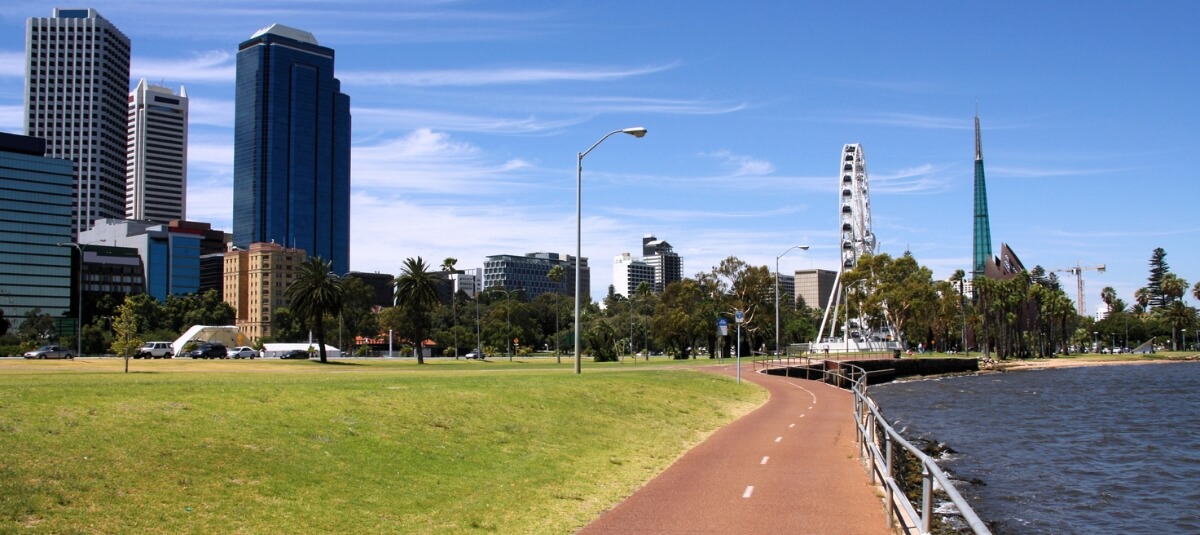
Around 200,000 Brits already call Perth home, and the appeal is not hard to understand. Sunshine for most of the year, beaches that look photoshopped, proper family houses with backyards, work that wraps up in time for the school run, and a quieter, kinder rhythm of life that the UK has slowly stopped offering. Add a thriving job market in mining, healthcare, and trades, plus safe suburbs that still feel like neighbourhoods, and the case for Perth almost writes itself.
The picture is not all sunshine, though. Perth is the most isolated major city in the world. Summer afternoons can push past 45°C, the property market has caught up hard in 2026, and a flight home for Christmas now starts well north of £900 per person. Before you sell the house, hand in your notice, and book the shipping container, you want a straight answer rather than a glossy brochure.
Here it is. Yes, Perth, Western Australia is a very good place to live for most British movers, especially families, outdoor lovers, skilled workers, and anyone after a calmer, sunnier life with more room to breathe. It is not perfect. The isolation, the heat, and the housing market all need careful thought. But for the right kind of mover, Perth is one of the easiest, friendliest cities in the world to settle into.
Just so we are clear from the start, this guide is about Perth, Western Australia, not Perth in Scotland. That matters because the distance, climate, cost of living, removals process, visas, and lifestyle are completely different.
Quick verdict: who Perth is best for and who might struggle
Perth tends to suit you if you fall into one of these groups:
- Families with young children who want safe streets, good state schools, and outdoor childhoods
- Skilled workers in mining, healthcare, construction, engineering, trades, and IT
- Outdoor lovers chasing beaches, surf, hiking, and Margaret River weekends
- Mid-career professionals burnt out on London hours and London prices
- Retirees wanting sun, modern healthcare, and a slower pace
- Younger Brits looking for adventure with a 200,000-strong UK community already on the ground
Perth tends to be a harder fit if you are:
- A night owl who lives for late bars, clubs, and constant city noise
- A career-climber in finance, media, fashion, or niche corporate sectors
- Someone who hops on cheap European weekend flights every few weeks
- Very heat-sensitive or unable to enjoy long, dry summers
- Extremely close to elderly parents or young grandchildren in the UK
If most of the first list sounds like you, keep reading. If most of the second list sounds like you, an east-coast city like Melbourne or Sydney may suit you better. We cover that comparison further down.
What is life in Perth, Australia actually like?
Life in Perth runs at a different rhythm to the UK. Mornings start earlier. Many locals are up before 6am for a coastal walk, a beach swim, or a flat white at the cafe. Work tends to wrap up by 4pm or 5pm, which leaves a real chunk of evening for the school run, dinner outside, or another beach trip before sunset.
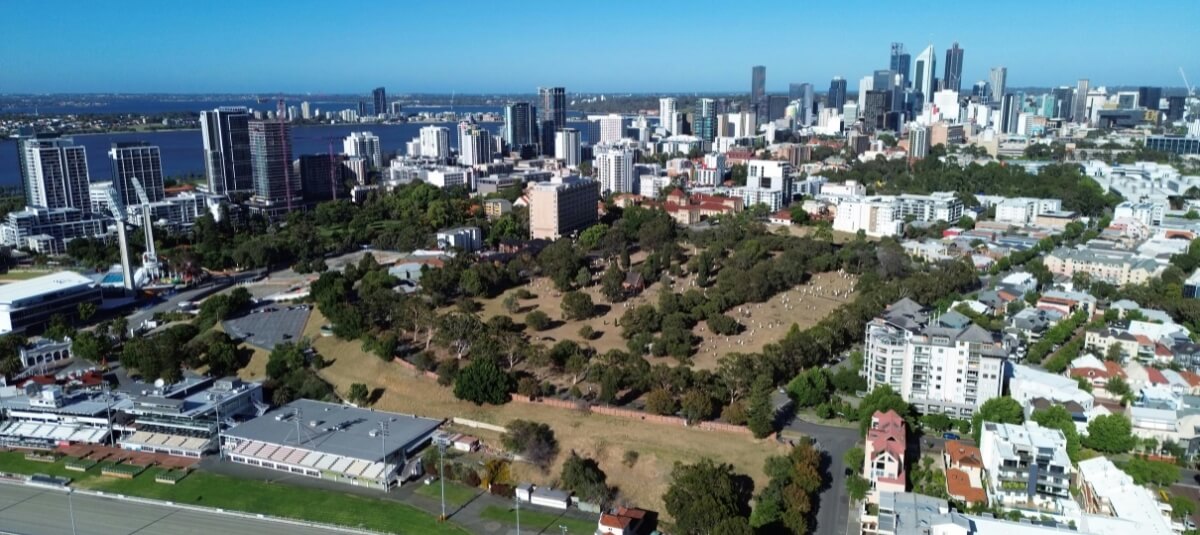
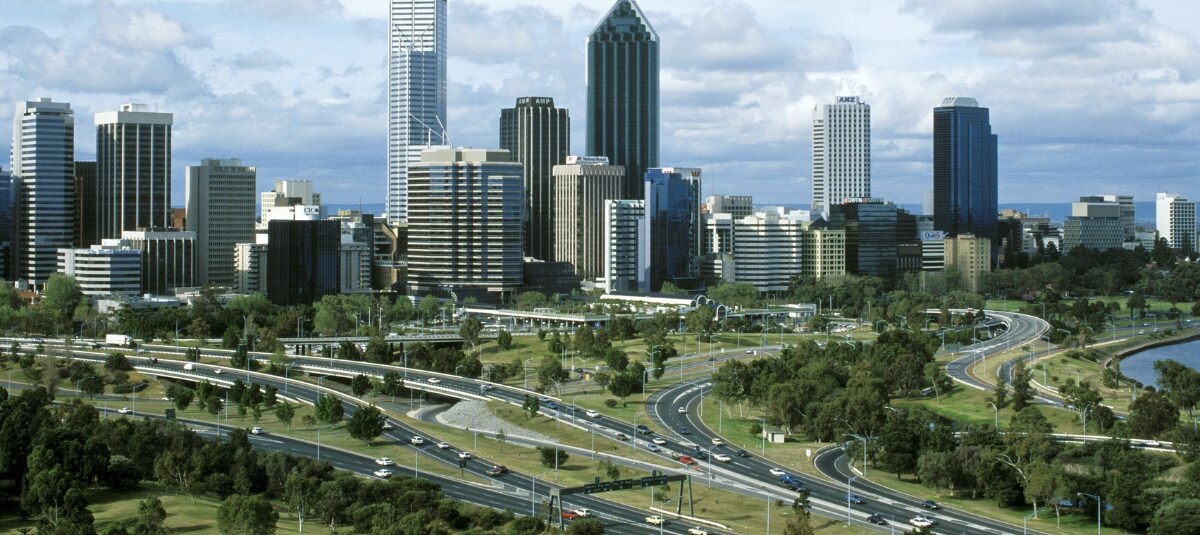
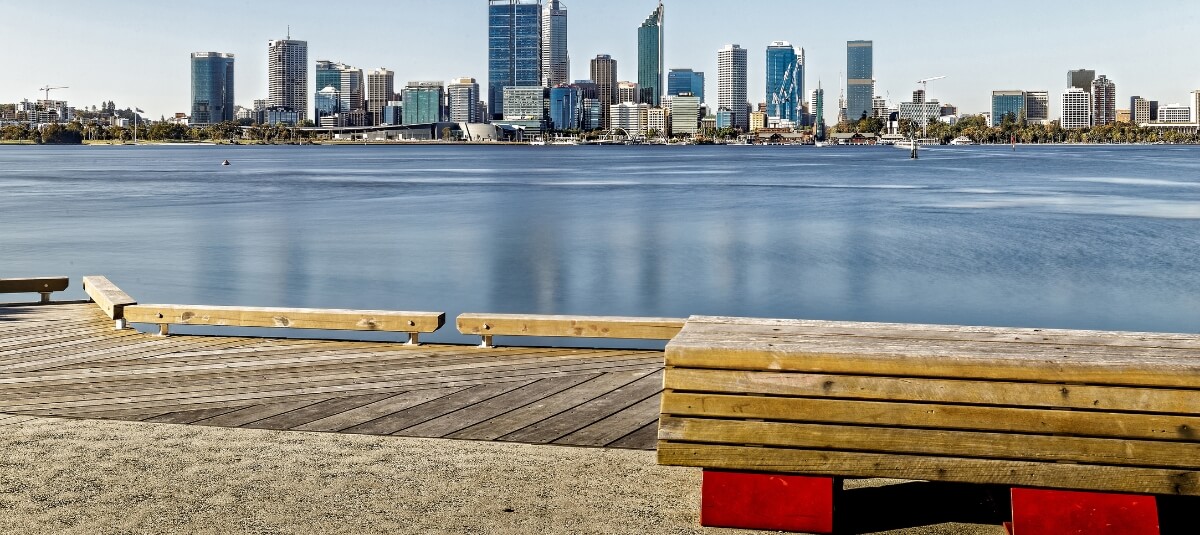
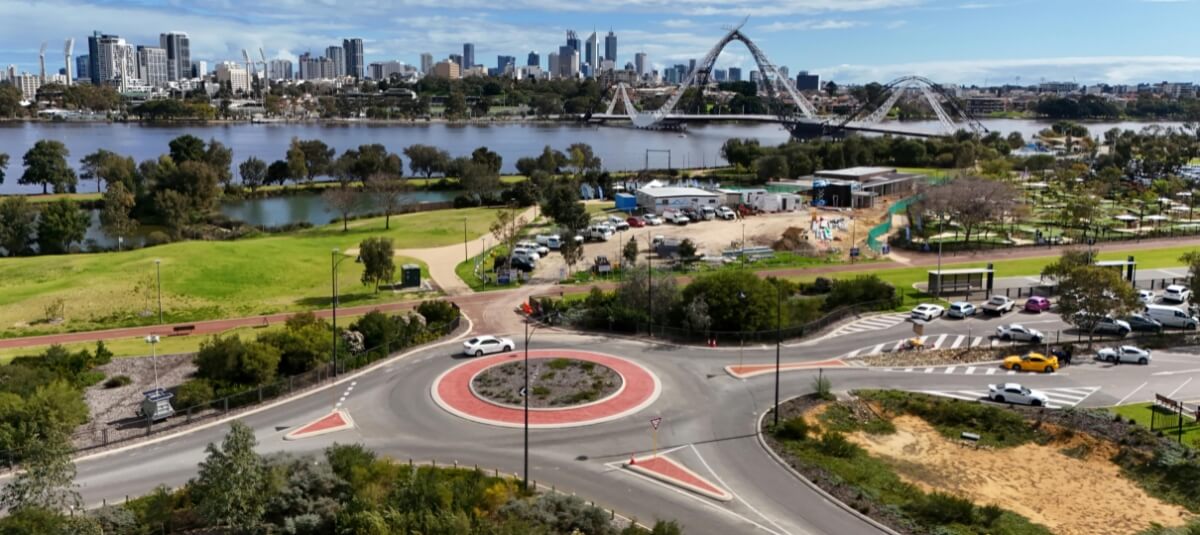
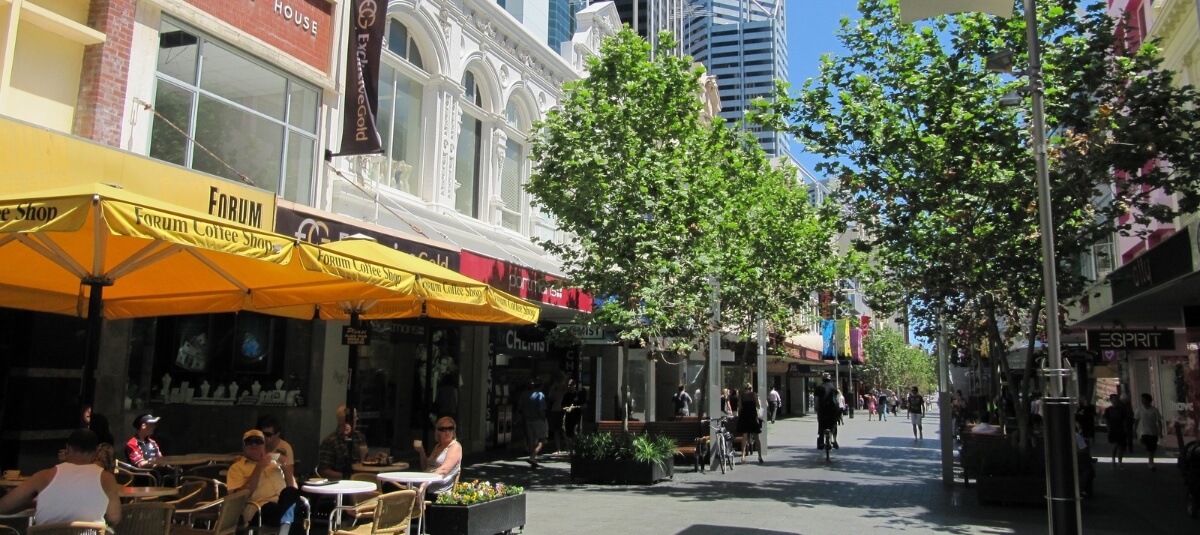
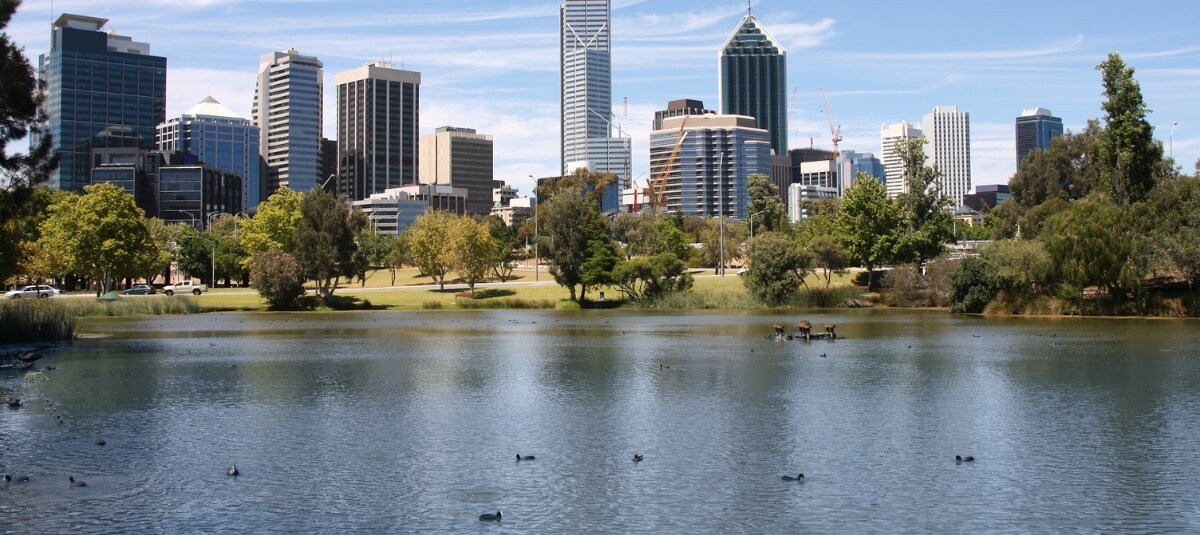
The city is built outwards rather than upwards. Single-storey homes with backyards, garages, and pools are the norm in family suburbs. The CBD is compact, walkable, and quiet by London standards. You will not find rabbit-warren tube stations or 24-hour traffic. You will find Kings Park, the Swan River, and miles of Indian Ocean coastline within a 20-minute drive of most postcodes.
Weekends look something like this: a beach swim at Cottesloe or Trigg, a barbecue at a free public BBQ in Kings Park, a ferry across to Rottnest Island to cycle and meet a quokka, a Sunday market in Fremantle, or a wine drive south to Margaret River. There is a slower, friendlier feel to daily life. People say “g’day” and mean it.
The city is small but multicultural, with around two million residents drawn from more than 200 nationalities. Roughly one in three Perth residents was born overseas, and around 200,000 of them are British. That makes the cultural transition gentler than almost anywhere else in Australia.
The biggest advantages of living in Perth
The case for Perth has been getting stronger every year. Here is what UK movers consistently rave about.
Sunshine for most of the year
Perth is the sunniest capital in Australia. Locals enjoy roughly 300 sunny days a year and an average of around 8.8 hours of sunshine a day. Compare that to about 4 hours a day in London and the difference is staggering. For anyone who has battled grey winters, low vitamin D, or seasonal slumps in the UK, that climate shift is genuinely life-changing.
The Mediterranean climate gives you hot, dry summers (29 to 38°C, sometimes higher) and mild, sunny winters where daytime highs sit around 17 to 21°C. Even in July, the “coldest” month, the rain is gentler than a typical British November.
More house, more land, more room to breathe
Even after Perth’s recent property boom, your money still goes further than in London. A budget that would buy a small flat in zone 4 can stretch to a three or four-bedroom detached house with a garden in a settled Perth suburb. Outdoor entertaining areas, alfresco kitchens, and a backyard pool are not luxuries here, they are normal.
For families used to terraced houses, the change is enormous. Children get gardens, dogs get space, and you finally get a home office that is not also the dining table.
A genuine outdoor lifestyle
Perth’s coastline runs for about 30 kilometres of clean, pale sand and turquoise water. Cottesloe is the postcard beach. Scarborough has the surf and the buzz. City Beach, Trigg, Mettams Pool, Leighton, and Coogee all have their own loyal fans. Most are free, all have showers and BBQ areas, and many have grassy lawns and playgrounds for the kids.
Kings Park, right on the edge of the CBD, is one of the largest inner-city parks in the world. It is bigger than New York’s Central Park. Add Rottnest Island, the Swan River, the Perth Hills, and the Margaret River wine region a couple of hours south, and you have a year-round outdoor playground.
Work-life balance that actually exists
Australians do work hard, but they also clock off. Statutory annual leave is 20 days as a minimum, with 13 public holidays on top. The “out of office at 4pm” culture in Perth is real. So is the long lunch on Fridays.
Commutes are short by London standards. A 20 to 30-minute drive is normal. Train and bus links run reliably through Transperth. Public transport is free on Sundays with a SmartRider card and free year-round inside the central CBD zone.
Strong job market and high earnings
Western Australia’s economy is booming, mainly thanks to mining, resources, energy, construction, and infrastructure. Unemployment was around 3.7% in 2026, well below the national average. Average weekly earnings sit above the Australian average, and skilled tradespeople, engineers, healthcare workers, and FIFO (fly-in-fly-out) mining staff earn well by any standard.
Safety and a real community feel
Perth is, in plain terms, a safe city. Violent crime is low. Suburbs like Churchlands, Carine, Como, and Applecross have crime rates that would make most UK parents weep with relief. Block parties, neighbourhood barbecues, and kids riding bikes to friends’ houses are not a Hallmark film, they are a Saturday afternoon.
A massive British expat community
With around 200,000 UK expats already in Perth, you are never far from someone who understands what proper bacon should taste like. Facebook groups like Brits Moving to Perth and Poms in Perth are huge, supportive, and full of practical advice. British shops, pubs, and brands are easy to find. Cricket, rugby, and football are everywhere.
The honest downsides of living in Perth
A real guide has to talk about the cons, not just the brochure stuff. Here are the issues UK movers raise most often.
Distance from the UK
Perth is around 14,500 kilometres from London. Flights run 18 to 22 hours each way and typically cost £900 to £1,500 return per person, more in school holidays. Spontaneous weekends home are simply not possible. Missing a UK funeral, a niece’s wedding, or a parent’s emergency is the regret most expats mention first.
Isolation from the rest of Australia
Perth is the most isolated major city in the world. Adelaide, the nearest big Australian city, is over 2,000 kilometres away. A flight to Sydney or Melbourne takes about four hours and costs more than people expect. Driving across the Nullarbor to the east coast is an epic, multi-day adventure rather than a quick getaway.
Summer heat and rising power bills
Summers run from December to February, with regular runs of 35 to 40°C and the occasional record-breaker pushing above 45°C. Air conditioning becomes essential, not optional, and that pushes electricity bills up sharply between December and March. Skin protection becomes a daily habit too.
Property prices have caught up fast
Perth’s old reputation as “affordable Australia” is gone. The median house price reached around AUD 948,000 (roughly £490,000) in 2026 after a 24% jump in a single year. Entry-level family homes in outer suburbs now sit around AUD 750,000 to 800,000. Premium suburbs like Cottesloe, Claremont, and Subiaco run well over AUD 1.5 million.
Rents have risen even faster, with 10% annual rises and a vacancy rate near 1%. Renting before buying is harder than it used to be, and competition for good family homes is fierce.
Quiet evenings and a small city centre
Perth winds down early. Many pubs and shops close before 9pm, and the CBD is small. Northbridge, Leederville, Mount Lawley, and Fremantle have decent nightlife, but if you are coming from London, Manchester, or Glasgow, you may find weekday evenings noticeably quieter.
Career variety is narrower than the east coast
Perth has plenty of work in resources, healthcare, construction, education, and trades. It has less variety in finance, media, advertising, fashion, tech start-ups, and creative industries than Sydney or Melbourne. If your CV needs a global hub, you may end up flying east more than you expected.
Car dependence and strict driving rules
Outside the CBD, Perth is a car city. Distances are big and suburbs sprawl. Public transport works well along the train lines but thins out elsewhere. UK drivers also need to take Australia’s strict speed cameras and zero-tolerance drink-driving seriously. Speeding fines stack up quickly.
Cost of living in Perth compared to the UK
Cost of living is one of the biggest reasons Brits move and one of the biggest reasons they get caught out. Perth is no longer “cheaper than the UK” across the board. It is mixed. Here is what you can expect in mid-2026, with prices converted to British pounds for context.
Housing
Perth has clawed back most of its old affordability advantage but still beats London on space.
- Median 3-bedroom suburban rental: around £1,500 to £1,700 a month
- Median house price (Perth metro): around £490,000
- Entry-level family home in outer suburbs: around £400,000 to £440,000
- Premium suburb (Cottesloe, Subiaco, Applecross): £750,000 to £1.3 million plus
Compared with outer London, that is still a 30 to 60% saving on rent and gets you a detached house with a garden rather than a two-bed flat. Compared with Manchester, Birmingham, or Leeds, Perth is now noticeably more expensive.
Groceries
Groceries run roughly 15% more expensive than UK averages. A weekly family-of-four shop is around £200 to £300 versus £150 to £200 in the UK. Local fruit, vegetables, and meat offer reasonable value. Imported goods, branded snacks, and alcohol cost more.
Utilities
Utility bills are surprisingly competitive. A typical 85 m² apartment runs around £85 to £100 a month for electricity, water, and waste. Summer air-conditioning bills are the variable. A family home in January or February can easily see a quarterly electricity bill of £350 to £450.
Transport
Public transport is cheaper than in the UK. A monthly Transperth pass sits around £55. Sunday travel is free. Petrol is roughly £1.40 to £1.70 a litre, but you tend to drive shorter distances on better roads.
Eating out
Pub meals, restaurants, and takeaways are around 25 to 30% cheaper than the UK on average. A casual restaurant main is roughly £8 to £15. A flat white is around £2.50 to £3.50.
Income to live comfortably
For a family of four to live comfortably in Perth in 2026, with a mortgage or rent, two cars, school costs, and the occasional UK trip, target a combined household income of around AUD 150,000 to 180,000 (£77,000 to £92,000) gross. Single-income households doing well usually sit above AUD 110,000 (£56,000) gross.
Is Perth safe?
Yes, by global standards Perth is a very safe city. Violent crime rates are low, neighbourhoods are friendly, and police presence is visible without being intimidating. Many family suburbs report just one or two offences per 100 residents per year.
That said, no city is risk-free. Northbridge has a livelier nightlife and a rougher edge late at night. Sun safety is a real concern, with one of the world’s highest skin cancer rates. Ocean rip currents, snakes, and bushfire risk in summer all need respect. None of this should put you off, but a sensible approach is essential.
Best places to live in Perth: a UK family’s shortlist
Perth’s suburbs are split, both literally and culturally, by the Swan River. Northern suburbs feel more vibrant and beach-orientated. Southern suburbs feel more spacious and family-grounded. Both sides have outstanding schools and family streets.
These are the suburbs UK movers come back to most often.
Premium family suburbs:
- Churchlands, Floreat, City Beach (north): leafy, beach-close, top public schools
- Applecross, Como, Mount Pleasant (south): river views, prestigious schools, calm
- Mount Lawley, Subiaco, Leederville (inner): heritage homes, walkable cafes, urban village feel
- Cottesloe, Claremont (north-west coast): iconic beach lifestyle, premium price tag
Mid-range value suburbs:
- Carine, Bayswater, Doubleview (north): close to CBD, strong schools, great amenities
- Bicton, Attadale, Bull Creek (south): family-friendly, river or coastal access
- Piara Waters, Harrisdale (south): newer estates, modern homes, growing schools
Affordable family suburbs:
- Joondalup (north): regional hub, train line, university, Lakeside shopping
- Ellenbrook (north): new train line, family estates, modern infrastructure
- Butler, Alkimos (north coast): newer beachside communities at lower prices
- Baldivis, Rockingham (south): coast access, growing facilities, biggest value
Trendier inner-city picks for younger movers:
- East Perth, West Perth, Highgate, North Perth, Victoria Park
A useful rule of thumb: rent first if you can. Six to twelve months of living in Perth will tell you more about which suburb fits you than any spreadsheet.
Is Perth good for families?
For most British families, yes, Perth is one of the best family cities anywhere. Children grow up with sand in their shoes, gardens to play in, and ten months a year of outdoor daylight. State schools are zoned by suburb, similar to the UK catchment system, and many are very strong. Private schools are popular, well-resourced, and often cheaper than equivalent UK fee-paying schools.
Childcare and after-school activities are widely available, although childcare costs can be high. Healthcare is excellent. Through the UK-Australia reciprocal agreement, British citizens get access to Medicare for essentials, with private cover often added on top.
For more on choosing the right Australian city for your family, our guide to the best place to live in Australia for families is a good companion piece.
Jobs, careers and work-life balance in Perth
Perth’s economy is built around several big sectors:
- Mining, oil, gas, and resources
- Construction and infrastructure
- Healthcare (huge skill shortages, excellent for UK nurses, doctors, allied health)
- Engineering and trades (electricians, plumbers, fitters, welders, carpenters)
- Education and training
- Public sector and defence
- IT, particularly cyber security and data
- Tourism, hospitality, and agriculture in regional WA
FIFO work is a Perth speciality. You fly out to a remote site for two to four weeks, then fly home and have one to two weeks off. The pay is strong, the lifestyle suits some families and crushes others. It is worth a serious conversation before signing on.
Most UK qualifications transfer well to Australia, although healthcare, teaching, and engineering roles often need formal recognition through the relevant Australian body. The 2026 Skills Priority List is the place to start, alongside Seek and Indeed for live vacancies.
Salaries are healthy. UK tradespeople in particular often earn 30 to 50% more than they did at home, especially with overtime. The trade-off is the cost of housing has caught up.
Why do so many Brits move to Perth?
Perth has the largest UK community in Australia for good reasons. Most Brits move for a combination of these:
- Climate, sunshine, and outdoor living
- Space, gardens, and family-sized homes
- Genuine work-life balance
- Strong job market in skilled sectors
- Safe streets and child-friendly suburbs
- A familiar, English-speaking culture
- An established Brit community to lean on
- Escape from UK weather, costs, and pressures
If you want a deeper dive on this, our guide to the top 5 cities in Australia for British expats covers Perth alongside Sydney, Melbourne, Brisbane, and Adelaide.
Perth vs Sydney vs Melbourne: which is right for you?
This is one of the most-searched questions about Perth, and rightly so. The three cities are very different.
Perth vs Sydney. Sydney is the harbour, the icons, the international flights, the corporate jobs, and the energy. Perth is calmer, cheaper for housing, less congested, and far better for beaches that are not packed. Sydney suits ambitious career-climbers and culture chasers. Perth suits families and outdoor lovers.
Perth vs Melbourne. Melbourne is arts, food, coffee, sport, and proper four-season weather. Perth is sunshine, beaches, space, and slower days. Melbourne is better if you crave culture and travel connectivity. Perth is better if you want sun, suburbia, and a family-friendly pace.
Perth vs Brisbane. Brisbane has better east-coast access, a humid sub-tropical climate, and quieter beaches just up and down the Gold and Sunshine Coasts. Perth has cleaner, whiter beaches, drier summers, and stronger mining job opportunities. Brisbane wins on connectivity. Perth wins on coastline and lifestyle.
If you are wider in your search, our cool places to live in Melbourne write-up gives a feel for the east-coast alternative.
Moving to Perth from the UK: what actually happens
If Perth has won you over, the practical side of moving from the UK is the next puzzle. Here is what most British families need to plan around.
Visas come first. The main routes for working-age movers are the Skilled Independent (subclass 189), Skilled Nominated (190), Employer Sponsored (482 and 186), and Partner visas. Most families benefit from working with a registered migration agent, and you should allow several months for the points-based process.
Shipping is the next big piece. Sea freight from a UK port to Fremantle in Perth typically takes around 8 to 12 weeks for a sole-use container and 12 to 18 weeks for shared (groupage) loads. A 20-foot container suits a small three-bedroom home, and a 40-foot container is more typical for a four or five-bedroom family move. Shared loads work brilliantly for smaller shipments where you only fill part of a container.
Customs and biosecurity in Australia are the strictest in the world. Wood, leather, sports kit, garden tools, hiking boots, and anything organic must be declared and may need cleaning or treatment before clearance. A reliable removals company handles the paperwork and inspections for you.
Pets can come along, but the process needs at least six months of preparation, including vaccinations, blood tests, microchipping, and a stay at the Mickleham post-entry quarantine facility near Melbourne. Plan early and use a specialist pet relocation service.
Finally, timing matters. Plan around the Australian school year (late January to mid-December) and the shipping arrival window. Most families need temporary accommodation for four to eight weeks while finding a rental or buying a home.
How Total Moving Solutions can help
We are not a guess-and-pray international removals firm. Total Moving Solutions has been moving British families overseas for years, and Perth is one of our most-requested destinations. We handle the full move under one roof, including:
- Door-to-door full container loads (FCL) and shared (groupage) services
- Packing and crating with marine-grade materials
- Customs clearance and Australian biosecurity paperwork
- Storage in the UK before departure and in Perth on arrival
- Trusted partners for currency exchange and visa support
- A dedicated Move Manager who picks up the phone and stays in touch
Have a look at our dedicated Removals to Perth, Australia page and the wider Removals to Australia hub for service details. If you would rather skip ahead, you can request a free moving quote and we will put accurate, honest numbers in front of you within a couple of working days.
For more practical groundwork before you ship, our tips for moving abroad and moving overseas from the UK checklist walk you through paperwork, packing, timelines, and what to bring versus replace.
A quick note on this guide
We move houses, families, lives, and the occasional grand piano. We do not provide visa, tax, financial, legal, or medical advice. The information above is researched and current to mid-2026, but rules, prices, exchange rates, and property markets all shift.
For visa decisions, always consult a registered migration agent. For tax and financial planning, talk to a qualified cross-border accountant. For healthcare and Medicare specifics, check with the Australian Department of Health and your UK GP.
So, is Perth a good place to live? Our final verdict
For families chasing space, sunshine, safety, and a saner pace of life, Perth remains one of the most rewarding cities in the world to move to. The lifestyle is real, the community is welcoming, and the door is wide open for skilled British workers. Property prices have caught up, summers are hot, and the distance from home will weigh on you on bad days, but most movers say the trade is worth it.
If your priorities are 24-hour city culture, fast career climbs in niche industries, or weekend trips to Paris, Perth is not your match. If your priorities are weekends at the beach, evenings in the garden, kids who play outside, and finishing work in time to actually see them, Perth is hard to beat.
When you are ready to move, we are ready to help. The Total Moving Solutions team has guided British families through the UK to Perth journey time and again, and we would love to do the same for you.
FAQs about living in Perth
Is Perth, Australia a good place to live?
Yes, for most UK movers Perth is a very good place to live, particularly families and skilled workers who value sunshine, beaches, space, and work-life balance over big-city density and cheap European travel.
What are the disadvantages of living in Perth?
The main downsides are distance from the UK, isolation from the rest of Australia, hot summers, rapidly rising property prices, a smaller city centre, and narrower career options in non-resource industries.
Why do Brits move to Perth?
Brits move to Perth for the climate, larger family homes, work-life balance, strong job market in mining, healthcare, and trades, plus a built-in community of around 200,000 fellow British expats.
Is Perth better than Sydney?
Perth is better for housing space, beaches, lifestyle, and family living. Sydney is better for career variety, international travel, nightlife, and big-city culture. Choose based on what your daily life actually needs.
Is Perth or Melbourne better to live in?
Melbourne wins on culture, food, coffee, arts, and travel connectivity. Perth wins on weather, beaches, outdoor space, and a quieter family pace. Both can be brilliant for British movers, just very differently.
Is Perth safe?
Yes, Perth is one of the safest large cities in the world. Violent crime is low and family suburbs are particularly safe. Sun safety, water safety, and ordinary big-city common sense in nightlife districts still apply.
Is Perth expensive to live in?
Perth is no longer cheap by Australian standards. Housing is significantly cheaper than London but more expensive than most regional UK cities. Groceries are pricier than the UK, while utilities, transport, and eating out are mostly cheaper.
What is the cost of living in Perth compared to the UK?
Overall, Perth is roughly comparable to UK averages but cheaper than London and pricier than cities like Manchester or Birmingham. Expect to spend more on groceries and air conditioning, less on rent and eating out.
Where are the best places to live in Perth?
Popular family picks include Churchlands, Carine, Applecross, Como, Mount Lawley, and Subiaco. Affordable family suburbs include Joondalup, Ellenbrook, Baldivis, and Butler. Beach lovers gravitate to Cottesloe, Scarborough, and City Beach.
Is Perth good for families?
Yes. Perth offers safe streets, large family homes with gardens, excellent state and private schools, world-class healthcare, beach access, and a strong outdoor culture for children to grow up in.
What is life in Perth like for British expats?
Life is sunny, suburban, and outdoor-focused, with an early-rising work culture, short commutes, and a huge British community to plug into through clubs, sports, schools, and Facebook groups.
How much does it cost to move to Perth from the UK?
Costs vary widely with volume, packing, services, and timing. As a rough guide, shared (groupage) shipping for smaller moves and full container loads for whole homes are the two main options. The fastest way to get an honest figure is to request a tailored quote based on your home’s contents and address.
Is this article about Perth, Scotland or Perth, Australia?
This guide is about Perth, Western Australia. Perth in Scotland is a lovely city in its own right, but a very different place with very different weather.
Ready to start planning your move to Perth?
If Perth feels like the right next chapter for you or your family, Total Moving Solutions can help you turn the idea into a clear, practical moving plan. From packing and shipping to customs paperwork, storage, and arrival support, our team can guide your move from the UK to Western Australia with care from start to finish.