

Moving to Poland from the UK in 2026: Guide for families and returnees
Written by Dan Cozma · Reviewed by James Mallett, Director at Total Moving Solutions · Updated October 2026
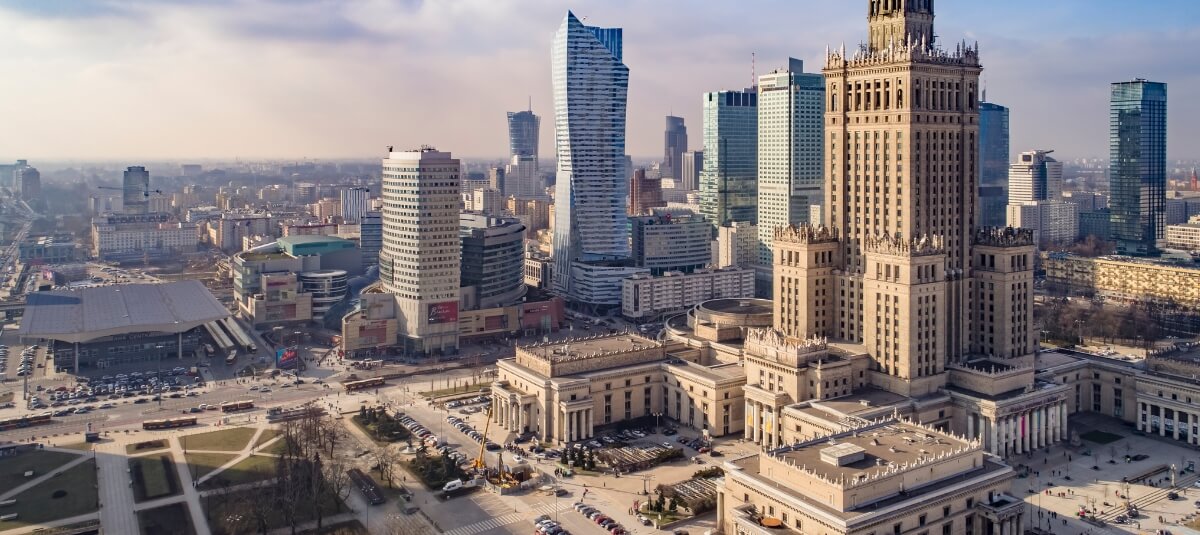
If you’re planning to move to Poland from the UK in 2026, you’re part of a growing wave of families and professionals looking for stability, affordability and a stronger sense of community.
The UK’s rising living costs and complex post-Brexit environment are pushing many to look east, where Poland’s economy has matured, wages are climbing, and the quality of life feels more balanced.
The Office for National Statistics (ONS) estimated that the Poland-born population of the UK fell from about 911,000 in 2016 to around 682,000 by mid-2021, its latest estimate. At the same time, British citizens (particularly Brits moving to Poland for work, retirement, or lifestyle) are discovering a new beginning that’s both practical and emotionally rewarding.
This guide walks you through everything you need to know about how to move to Poland, from customs forms and paperwork to hidden costs, healthcare, and cultural adjustments – all based on the latest 2026 updates.
Why people are moving to Poland from the UK in 2026
Poland in 2026 isn’t the same country many left two decades ago. It’s modern, safe and forward-looking, yet still rooted in tradition and family values.
For many, it’s no longer a question of “should I move?” but rather “is Poland a good place to live?” Increasingly, the answer is yes.
Economic strength and opportunity
Poland’s real GDP grew by 3.6% in 2025 (Statistics Poland), and its unemployment rate was 3.4% in August 2026 on Eurostat’s measure. Poland’s own registered-unemployment figure is higher, at around 6%. Infrastructure investment continues nationwide, from new transport links to digital hubs.
For Polish returnees, it’s a chance to put down roots in a more prosperous homeland. For British citizens moving from the UK to Poland, it’s an appealing blend of European convenience and financial breathing room.
Safety and lifestyle
Poland scores 71.3 on the Numbeo Safety Index 2026, compared with 51.8 for the UK. The index measures how safe residents feel rather than recorded crime, but it reflects a country where streets feel secure and community networks are strong. It’s an ideal environment for families seeking peace of mind and a healthier work-life balance.
Ask anyone who’s recently relocated to Poland, and you’ll likely hear the same thing: life feels calmer, cleaner and more family-friendly.
Family and cultural connection
After years abroad, many people crave belonging: the language, food, and rhythm of everyday life. Raising children near grandparents or within Polish culture has become one of the most common motivations for returning.

Customs and paperwork: removals from the UK to Poland post-Brexit
While we aren’t visa or tax advisors (we leave the legal work to the specialists), we have spent years physically moving many families, young professionals, and retirees into their new lives abroad. We know how these rules work in the real world, but we always recommend consulting a qualified expert for the latest legal fine print.
Since Brexit, all moves between the UK and EU are treated as international relocations. The process involves a few more forms, but once you understand them, it’s straightforward – especially for anyone moving to Poland from the UK permanently.
For Brits moving to Poland, understanding these early steps avoids the biggest relocation pitfalls.
Documents you’ll need
Have these ready before your shipment leaves the UK:
- HMRC P85 Form – tells HMRC that you’re leaving the UK, so it can settle your tax position and any refund due.
- UK export declaration – normally submitted by your removal company or customs agent before the goods leave Great Britain. You don’t need a ToR1 form: that applies only when moving belongings into the UK.
- Proof of residence outside the EU – at least 12 continuous months (utility bills, tenancy or council tax).
- Detailed inventory – a clear, bilingual list of items.
- Passport copies for all family members.
- Proof of property or tenancy in Poland for customs.
- Declaration for mienie przesiedleńcze – Poland’s personal relocation property exemption.
If you’re importing a vehicle, include proof of ownership and registration documents.
Under mienie przesiedleńcze, belongings (including cars) that you have owned and used for at least six months can qualify for relief from customs duty and import VAT. You need to have lived outside the EU for at least 12 months, import the goods within 12 months of moving, and not sell, lend or hire them out for 12 months afterwards (EU relief rules). A qualifying car can also be exempt from Polish excise duty; otherwise excise is charged at 3.1% for engines up to 2,000cc and 18.6% above that.
Why the P85 and customs paperwork matter
These documents are the backbone of a legal, tax-efficient move.
The P85 tells HMRC you have left the UK. It doesn’t itself prevent double taxation: that is covered by the UK–Poland double taxation convention, under which most pensions paid to a Polish resident are generally taxed only in Poland. Lump sums and government-service pensions follow different rules, so take advice on your own case. The customs declarations show that your shipment is personal property, not a commercial import.
Getting them ready early saves time, stress, and potential fees at the border, a key step for anyone planning how to move to Poland the right way.
Getting your PESEL number
A PESEL number is the national ID number used across Polish public services, and getting one is among the first jobs after arrival.
As non-EU nationals, most British citizens need to apply in person at the municipal office (urząd gminy) with their passport. Returning Polish citizens normally already have a PESEL and don’t need to apply again.
You need a PESEL to register for healthcare (NFZ) and to set up your Profil Zaufany – the trusted digital profile used for Polish e-government services. Banks commonly ask for one too, although it isn’t a legal requirement for every account.
Make this one of your first local tasks after arrival. It’s a crucial step for anyone relocating to Poland long-term.
Property and land ownership: what UK citizens must know
British citizens can normally buy apartments (mieszkania) in Poland without a permit, except in designated border zones. However, post-Brexit rules treat them as third-country nationals when purchasing standalone houses or land. Returning Polish citizens are not affected and need no permit.
Buying property with land now requires a permit from the Ministry of the Interior and Administration (Ministerstwo Spraw Wewnętrznych i Administracji). The process typically takes three to four months, sometimes longer, and generally requires evidence of long-term residence or family ties.
Flats in multi-unit buildings outside border zones are exempt, making them the easiest entry point for most buyers.
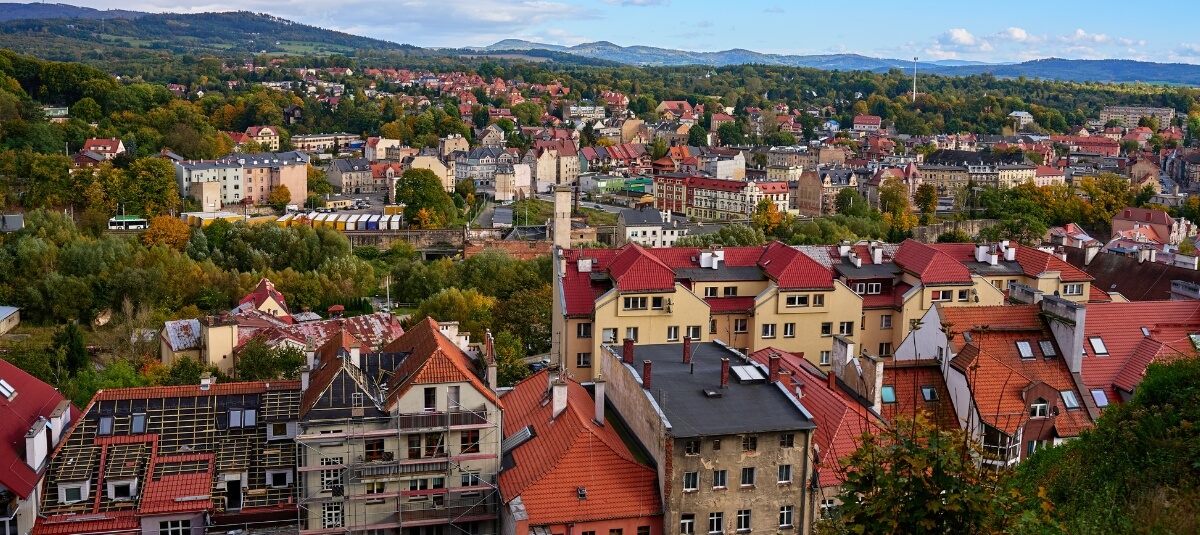
This is particularly relevant for Brits moving to Poland who may be exploring both urban and rural living options.
Importing and registering your car in Poland
Many movers bring their own vehicles, but UK cars need adjustments to meet Polish standards before registration.
Right-hand-drive modification checklist
To pass the Przegląd Techniczny (Technical Inspection):
- Adjust or replace headlights for right-hand traffic.
- Modify mirrors for the correct field of vision.
- Ensure the speedometer displays km/h.
- Apply to register the car within 30 days of customs clearance in Poland. Missing the deadline brings a PLN 500 penalty.
- Arrange Polish third-party insurance (OC) once the car is registered. A Green Card is no longer needed to drive a UK-insured car in Poland, but tell your UK insurer about the move.
Modification costs vary by vehicle, so get separate quotes for headlights, rear fog light, speedometer and the inspection. Cars that fail inspection cannot be registered.
Hidden costs of relocation: the real arrival budget
Beyond shipping and removals, newcomers encounter administrative costs unique to Poland. Planning for them prevents nasty surprises.
Typical extra expenses
- Notary and translation fees – UK certificates often need Apostilles and translation by a sworn translator (tłumacz przysięgły).
- Rental agency commission – negotiable. In many city lettings tenants are asked to pay around one month’s rent, often plus VAT, but it isn’t a legal requirement.
- Rental deposits – commonly one or two months’ rent. Polish law caps them at 12 months’ rent for an ordinary tenancy and six months’ rent for occasional or institutional tenancies.
- Car registration – PLN 160 (about £31) for plates and documents, plus PLN 98 (about £19) for the standard technical inspection. An imported car may need an extra inspection, so confirm the total with the diagnostic station.
- Pets – there is no national pet-registration fee. Dogs, cats and ferrets coming from Great Britain need a microchip, a valid rabies vaccination and an Animal Health Certificate. Some municipalities charge an annual dog tax of up to PLN 186 (about £36).
- Document translation – sworn translators charge per standard translation page, not per A4 sheet, so ask for a quote in PLN.
These are small but essential parts of any move to Poland from the UK. Allowing a 10–15 percent margin in your budget keeps everything predictable and avoids stress later.
Finding work in Poland – jobs, salaries and remote options
Poland’s job market remains strong and diverse. Salaries continue to rise, and English-speaking professionals are in high demand.
Growing sectors
- IT, cybersecurity and fintech
- Engineering, construction and renewable energy
- Finance, logistics and shared services
- Healthcare, education and translation
Remote work has opened new doors. Many professionals now live in Poland while working for UK or EU employers – a trend particularly popular among Brits moving to Poland for lifestyle reasons.
For retirees, the S1 Form gives access to the Polish NFZ system with costs covered by the NHS, an important factor for anyone asking, “Can I retire to Poland from the UK?”

Education and identity: helping children adapt
For returning families, children often face the biggest cultural adjustment.
Younger ones adapt quickly, but teens can struggle with identity: feeling Polish at home but British at school.
ORPEG (Ośrodek Rozwoju Polskiej Edukacji za Granicą) provides educational information, distance-learning resources and advice for Polish families abroad and those preparing to return. After arrival, support comes through the Polish school system, including extra Polish-language teaching and, where available, an oddział przygotowawczy (preparatory class).
Encourage Polish media and reading before the move, but keep English alive – bilingualism becomes a lifelong advantage.
Healthcare in Poland vs the NHS
Poland’s system blends public NFZ coverage with accessible private healthcare. Once registered with ZUS and issued a PESEL, you gain public care rights similar to the NHS.
Private cover
Prices depend on age, city and level of cover, so get current quotes from several Polish providers. Many plans are medical subscription packages rather than full private medical insurance.
Private clinics provide short waiting times, modern facilities and English-speaking specialists. Most residents use both systems for balance and convenience.
For retirees, registering an S1 Form ensures NHS-funded access to Polish healthcare – making retiring to Poland from the UK both affordable and practical.
How Total Moving Solutions helps you move to Poland in 2026
Relocating internationally can feel daunting, but the right partner turns it into a managed process rather than a leap into the unknown.
Total Moving Solutions coordinates everything from surveys and packing to customs clearance, shipping and delivery. Your dedicated Move Manager handles paperwork, including customs declarations and mienie przesiedleńcze guidance, while keeping you informed throughout.
Services include:
- Weekly UK–Poland transport routes
- Part-load or dedicated removals
- Secure storage options
- Vehicle and pet relocation support
Plan your move with confidence, get your free removals quote today.

A new start in Poland – rediscovering home
Poland in 2026 feels renewed. Cities like Kraków, Wrocław and Gdańsk buzz with creativity, yet the pace of life remains grounded. The cost of living is manageable, the air is cleaner, and family is once again central.
For many, moving to Poland from the UK isn’t about leaving something behind … it’s about rediscovering balance and a better way of living.
If you’ve ever wondered is Poland a good place to live, you’ll find the answer in the small details: community, safety, and time to breathe.
Frequently asked questions about moving to Poland from the UK in 2026
Moving advice & expat guides

Reviewed by
James Mallett
Director, Total Moving Solutions
I’ve spent around 20 years in the removals industry, helping individuals and families move home and begin new chapters, both across the UK and overseas.
Today, I run Total Moving Solutions, a small, family-run business helping around 80 to 100 customers relocate each month. We arrange UK, European and international removals.
Over the years, I’ve learned that every move is different. Behind every shipment is a person or family with their own plans, priorities and concerns. For me, understanding those needs and offering a personal, supportive service is just as important as the practical arrangements.
I’m proud that Total Moving Solutions is accredited by Move Assured and has received many five-star reviews on Google, Trustpilot and Removal Reviews. That feedback means a great deal to us as a family business, and we work hard to give every customer the care and attention we would want for our own move.