Is it worth moving to France from the UK after Brexit?
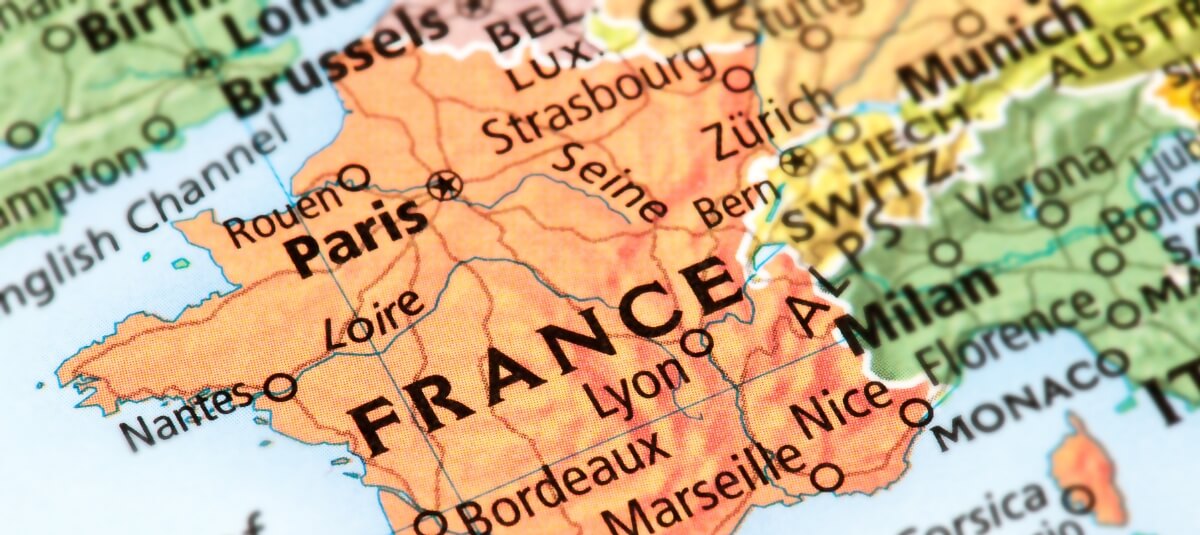
For many Brits, France has always been the dream, a place with good food, open countryside, sunshine, and a slower pace of life. But Brexit has changed the way people move, adding new visa rules and extra paperwork. So, is it still worth it?
Yes, for most people, moving to France from the UK is still very much worth it, provided you understand the new process and plan properly. France continues to offer one of the best lifestyles in Europe: lower housing costs, world-class healthcare, family-friendly benefits, and a strong sense of community. The red tape is real, but so are the rewards.
While every effort has been made to include the latest information, visa rules, tax policies, and residency criteria can change, so it’s always sensible to check the official French government websites for the most recent updates. For everything else – from planning and packing to paperwork and delivery – Total Moving Solutions is here to guide you every step of the way.
This guide explains exactly what’s changed since Brexit, what it now costs to live in France, and what to expect when working, retiring, or raising a family there – helping you decide with confidence whether life across the Channel is right for you.
French visas & residency: post-Brexit requirements
Since Brexit, British citizens are classed as non-EU residents. You can still move to France permanently, but you’ll need the right visa. Without one, you’re limited to short visits – up to 90 days within any 180-day period. To live, work, study or retire in France, a long-stay visa is essential.
The process isn’t difficult, but it does require organisation. Every visa type has its own criteria, so choosing the right route early will save you time and stress later.
The right long-stay visa for retirees & workers
The French government offers several long-stay options depending on your lifestyle and income.
-
Visitor Visa (VLS-TS): Designed for retirees, remote workers, or anyone who can support themselves financially without taking a local job. It usually lasts between 4 and 12 months and can be renewed.
-
Work Visa: For those who’ve secured a job in France. Your employer must provide sponsorship and proof that the role couldn’t easily be filled locally.
-
Self-Employed or Entrepreneur Visa: Suited to freelancers, small business owners, or consultants. You’ll need to register your business activity and demonstrate a steady income.
-
Student Visa: For anyone studying full-time at a recognised French institution.
-
Family Reunion Visa: For joining a spouse, partner, or close family member already legally living in France.
Once you’ve lived in France legally for a year, you can usually renew your visa or apply for a Carte de Séjour, which acts as your residence permit. After five years of continuous residence, you may become eligible for permanent residency or French citizenship, giving you long-term stability.
Financial and documentation requirements
To qualify for most long-stay visas, you’ll need to prove you can support yourself without relying on French state aid. The minimum income thresholds are generally:
-
€1,450 per month (£1,250) for individuals
-
€2,100 per month (£1,800) for couples
-
Around €3,000 per month (£2,600) for retirees, ideally with proof of savings
-
Add roughly €750 (£650) for each dependent child
You’ll also need to show:
-
Proof of accommodation (rental agreement or property ownership)
-
Valid health insurance covering your stay
-
A passport valid for at least 15 months
-
Recent bank statements or pension proof demonstrating consistent income
Each application is reviewed individually, so it’s wise to provide clear, verifiable evidence rather than estimated figures or informal documents. Missing paperwork is one of the most common causes of delays and refusals.
It is best to apply three months before your planned move, as processing can take anywhere from 15 to 45 days, depending on your visa type and the time of year. During peak summer periods, waiting times are longer due to high demand.
For most applicants, the system works smoothly if everything is organised. Those who run into trouble usually do so because their finances or housing proof are incomplete. This is where professional help can make all the difference. Working with a specialist relocation partner like Total Moving Solutions ensures you have the correct documents, timelines, and guidance – giving you confidence that nothing is missed before you go.
Cost of living in France: prices, rent & savings
The cost of living is often the deciding factor for people moving abroad, and France still holds a strong advantage over the UK – especially once housing, healthcare, and childcare are factored in. While everyday expenses can vary between regions, most expats find their quality of life per pound spent noticeably higher once they settle in.
Buying a house in France: costs vs UK property
Housing is where the biggest savings appear. In many regions, property prices remain 40–60 per cent lower than in southern England, meaning your budget stretches much further. A spacious stone farmhouse in Dordogne or Charente often costs less than a small flat in the Home Counties.
When buying an existing property, it is important to budget for transaction fees of roughly 7.5 per cent of the purchase price. This includes the notary’s fee (frais de notaire) and government duties, both mandatory in France.
Mortgage lending is available to UK buyers, but lenders tend to prefer deposits of 20–30 per cent and proof of stable income.
Renting is also far more affordable. Typical averages:
-
Paris: one-bed flat – €1,400 (£1,210) per month
-
Lyon, Bordeaux, Nice: €900 – €1,100 (£780 – £950)
-
Rural or small-town France: €550 – €700 (£475 – £600)
Tenants usually pay one month’s rent as a security deposit and may need a guarantor or proof of income equal to three times the rent … a standard French requirement.
Everyday expenses and utilities
France isn’t uniformly cheap, but costs are predictable and the standard of goods and services is high.
-
Groceries are on average about 11 per cent more expensive than in the UK, mainly due to higher meat and dairy prices. Local produce, bread, and wine remain excellent value.
-
Utilities (electricity, heating, water, rubbish collection) typically range from €150 to €200 a month (£130 – £170).
-
Internet and mobile packages: €25 – €40 (£22 – £35).
-
Public transport: €50 – €75 (£43 – £65) for a monthly pass in most cities.
-
Petrol averages €1.80 a litre (£1.55).
Dining out remains reasonable: a three-course set lunch in a provincial restaurant often costs €18 – €25 (£15 – £22), wine included.
Taxes, local charges, and services
France’s taxe foncière (property tax) is generally lower than a mid-band UK council-tax bill, usually 1 – 3 per cent of the property’s estimated rental value. The taxe d’habitation (local residence tax) was abolished for main homes but still applies to second residences.
Healthcare contributions are partly covered through national insurance, reducing private health-cover costs.
Public services are where France excels. Rubbish collection, postal services, local transport, and schooling are consistent and reliable – key reasons many families find everyday life more efficient despite the paperwork reputation.
Is living in France cheaper than the UK? (the real breakdown)
Overall, France is 7 – 11 per cent less expensive than the UK when housing, healthcare, and childcare are taken together. The picture shifts slightly depending on lifestyle: groceries may cost more, but property and services cost far less.
To put it in context, average gross annual salaries in France range from €54,100 (£46,500) in Paris to €44,500 (£38,200) in Bordeaux, giving many households similar or higher disposable income than in British regional cities. Combined with cheaper housing, this explains why many British expats feel financially more comfortable in France even if supermarket prices seem higher.
In short, life in France offers stronger value for money … not because everything is cheaper, but because you get more for what you spend: more space, better healthcare, and a healthier work-life balance.

Working in France: English jobs & self-employment rules
For anyone still in work, France remains a realistic and rewarding place to build a career – or continue one remotely. Brexit means the process now takes more preparation, but UK citizens can still find strong opportunities, especially in sectors where English skills and international experience are valued.
Finding English-speaking work
English-speaking roles are available across France, though most are concentrated in the larger cities – Paris, Lyon, Bordeaux, Toulouse, Marseille, and Lille. Employers increasingly seek bilingual candidates, but many companies in international trade, tourism, tech and education hire fluent English speakers.
The most accessible industries for British professionals include:
-
Technology and software development
-
Education and English language teaching
-
Tourism, events, and hospitality
-
Marketing, sales, and international logistics
-
Renewable energy, construction, and skilled trades
Average annual salaries (before tax) sit around:
-
€54,000 (£46,500) in Paris
-
€50,000 (£43,000) in Lyon
-
€44,000 (£38,000) in Bordeaux
Working hours are typically capped at 35 hours per week, with at least five weeks of paid holiday, plus public holidays … a work-life balance most UK employees find transformative.
One key difference: French employment law favours employees. Permanent contracts (CDI) offer strong job security and social protections, while short-term contracts (CDD) are tightly regulated.
Freelancing and self-employment
For freelancers or business owners, France provides a structured but fair system. The most common route is registering as an auto-entrepreneur (also called micro-entrepreneur), which simplifies setup and taxation for smaller businesses.
To qualify, you’ll need to:
-
Register your business activity online through URSSAF (France’s social security platform)
-
Provide proof of address in France
-
Hold health insurance
-
Use a French bank account for business income
You’ll pay a flat-rate social contribution on your turnover – typically 22 per cent for services and 12.3 per cent for trade or goods-based work – covering tax and social charges in one simple payment. There’s no need for an accountant at this level, and bookkeeping is minimal.
If your business grows beyond the auto-entrepreneur threshold (€77,700 for services or €188,700 for goods in 2025), you can register as a standard company (EURL or SASU), though this involves more administration and tax planning.
Many British freelancers in design, digital marketing, IT, and consulting operate successfully this way – enjoying a lower cost of living, better weather, and a slower pace while keeping UK or international clients.
Remote work and the digital nomad path
Although France doesn’t yet have a dedicated digital nomad visa, many UK citizens work remotely under a long-stay visitor or self-employed visa. To qualify, you’ll need to prove:
-
A consistent remote income
-
Contracts or invoices from non-French clients
-
Adequate savings
-
Private health insurance for the duration of your stay
You’ll also need to pay tax in France if you live there for more than 183 days in a year. Double taxation is avoided through the UK–France tax treaty, but you’ll still need to file a French tax return annually.
Reliable internet, co-working spaces, and fast train connections make France one of Europe’s most practical countries for remote professionals. Smaller towns such as Montpellier, Nantes, or Annecy are becoming popular with remote workers who want affordable housing but still need easy access to major transport routes.
Career outlook and lifestyle balance
While salaries may be slightly lower than in the UK for similar roles, the overall quality of life — shorter working hours, stronger employee rights, and generous holidays — more than compensates. The French value their personal time, and it shows: long lunches, quiet Sundays, and real separation between work and home are part of everyday life.
In practice, many British professionals discover that their disposable income and day-to-day wellbeing improve after moving, even if their salary doesn’t rise. With lower housing costs, cheaper healthcare, and public transport that actually works, France offers a lifestyle that feels both more sustainable and more human.

Healthcare & pensions: your UK state pension access
When planning a move to France, it’s not just about lifestyle and location – it’s about getting the essentials right from day one. Healthcare, pensions, and taxes all need to be organised carefully to ensure you stay fully compliant once you become a French resident.
Accessing French healthcare (PUMA & the S1 form)
France’s healthcare system is one of the most respected in the world – efficient, accessible, and largely state-funded. After three months of legal residence, newcomers can register for PUMA (Protection Universelle Maladie), which gives access to public healthcare.
Registration begins at your local CPAM office (Caisse Primaire d’Assurance Maladie). Once your application is submitted, it typically takes 4 to 8 weeks to receive a temporary social security number, and often 6 to 12 months for your permanent Carte Vitale, the green card that lets you claim reimbursements directly from the system.
During this period, you must have private health cover. Retirees with a UK-issued S1 form can register directly for French healthcare on arrival, bypassing the waiting period.
Healthcare costs and top-up insurance
France’s public system reimburses around 70 per cent of standard medical costs, with the remaining balance covered by private mutuelle insurance.
Most residents opt for a mutuelle to ensure full coverage.
-
For a healthy adult, this typically costs €30 to €50 per month (£26–£43).
-
For retirees or those needing broader cover, expect €80 to €120 per month (£70–£100).
Visits to GPs, dentists, and hospitals are all partially reimbursed, and prescription medicines are subsidised depending on their type.
The level of care is excellent – many British expats describe it as the single biggest improvement to their lifestyle after moving.
Preparing for the move: healthcare, pets & what not to pack
Before arriving, it’s vital to have comprehensive travel or private health insurance covering the first few months. Without it, you’ll need to pay the full cost of treatment upfront.
If you’re bringing pets, they’ll need an Animal Health Certificate (AHC) issued by a vet within ten days of travel. The old EU Pet Passport is no longer valid for animals leaving the UK. Each pet must be microchipped, vaccinated against rabies, and travel through an approved entry point.
You’re also prohibited from bringing most meat, dairy, and perishable food products from the UK into the EU. Customs checks are stricter since Brexit, and non-compliance can lead to confiscation or fines. Professional removal companies like Total Moving Solutions handle this process correctly, ensuring all your household goods comply with French import regulations.
Pensions and income from the UK
UK state pensions are still payable in France, and they continue to increase each year under the UK’s triple lock system. Private and occupational pensions can also be received, but they must be declared for French tax purposes.
Under the UK–France double taxation agreement, you’ll only pay income tax once — in the country where you’re tax resident. For most expats, this will be France. Pension income is usually taxed at French rates, which may be lower than in the UK depending on your total household income and deductions.
You should also notify HMRC of your change in tax residency by completing Form P85 after leaving the UK, to ensure you’re taxed correctly and avoid duplicate payments.
French tax filing: declaring UK bank accounts
Once you become a French tax resident – generally after 183 days of residence per calendar year – you’re required to declare all foreign bank accounts annually using Formulaire n° 3916.
This includes any UK current accounts, ISAs, premium bonds, or investment accounts still open in your name.
Failure to declare them can result in substantial fines, starting at €1,500 (£1,280) per undeclared account and rising for repeat or serious omissions.
The declaration isn’t a tax in itself — it’s purely for transparency, but the French authorities take it seriously. It’s one of the few compliance steps new residents overlook, so it’s worth setting reminders each tax season or working with a bilingual accountant during your first year.
Managing healthcare and taxes together
Once registered, contributions to healthcare and social security are handled automatically if you’re employed or self-employed. Retirees and remote workers pay these as part of their income declaration.
For those living on savings or pensions, annual contributions are minimal but required.
Keeping your health cover and tax declarations in order from the start not only prevents costly surprises but also makes renewing visas and residence permits straightforward. French prefectures often check proof of healthcare and tax compliance before granting longer-term status.

Family life & education
For families, moving to France often feels like hitting the reset button in the best possible way. The pace of life is slower, communities are tighter, and daily living costs — from childcare to public schooling — are usually much more manageable than in the UK.
Education and schools
Education in France is highly structured and taken seriously. Schooling is compulsory from the age of six, though most children start at école maternelle (nursery school) from age three — and it’s free. Parents pay small fees for lunches or supplies, but tuition itself is state-funded, even at secondary level.
Lessons are more formal than in the UK, with a strong focus on language, mathematics, and critical thinking. Many British parents find this system demanding but effective, especially for older children who value clear expectations.
For those who prefer continuity with the UK curriculum, there are numerous international and bilingual schools in major cities. The British School of Paris, Bordeaux International School, and Mougins British International School (on the Côte d’Azur) are popular examples. Fees vary but tend to be lower than equivalent private schools in the UK.
Childcare and family benefits
Childcare in France is both affordable and professional. Nurseries (crèches) are heavily subsidised, meaning fees are based on income rather than flat rates. For most families, full-time childcare costs between €100 and €400 per month (£85–£350).
Parents are supported through a range of national and local benefits, including monthly child allowances (allocations familiales) once the first child is born. Families with multiple children can receive up to €683 per month (£560) depending on household income.
The French tax system also rewards families through the quotient familial, which reduces income tax according to the number of dependants. For large families, this often means a significant reduction in tax liability compared to the UK system.
Lifestyle and community life
Outside the classroom, children’s lives in France look refreshingly balanced. Evenings and weekends are rarely dominated by screen time or shopping trips. Instead, they’re filled with outdoor activities – cycling, swimming, football, or village festivals. Many towns provide free or low-cost sports clubs (associations sportives) and art programmes for children of all ages.
Parents also notice how social life revolves around shared meals rather than rushing between commitments. Shops close on Sundays, and school holidays are generous – giving families real downtime together.
For British families who move for work or retirement, these cultural differences take some adjustment, but most describe them as the most rewarding part of the transition. Once settled, it’s common to hear that children adapt faster than adults, and that the French education system and family culture end up being the biggest reasons to stay.

French culture & integration: language, shops & life
Settling into everyday life in France isn’t just about paperwork or finding a place to live – it’s about learning how things work, and why. British expats often find that the biggest changes are cultural rather than logistical, and that once they understand them, life in France becomes easier, calmer, and surprisingly familiar.
Language and local connections
Speaking French changes everything. You don’t need to be fluent, but showing genuine effort earns immediate respect and often leads to warmer interactions. Locals appreciate politeness, patience, and small gestures — saying “bonjour” before starting any conversation is more important than you might expect.
For newcomers, joining local language exchange groups or evening classes is a great way to meet people while improving your confidence. Many towns and villages also have expat associations or Anglo-French clubs, which make it easier to integrate without feeling isolated. Over time, most expats find that mixing with locals rather than staying in English-only circles makes their move far more rewarding.
Shopping, services, and daily rhythm
One of the first surprises for anyone moving from the UK is how the rhythm of daily life feels different. In smaller towns, shops often close for two hours at lunchtime, and Sundays are usually quiet. Supermarkets may open on Sunday mornings but shut by midday – a reflection of how strongly the French protect their rest time.
It can take a little getting used to, but once you adjust, the slower pace feels healthier. People take time to eat properly, to talk, and to rest. Even in larger cities, meals are an event rather than a formality … three courses at lunch are not uncommon.
Markets are a highlight of French life. Weekly farmers’ markets bring together locals selling fresh vegetables, cheeses, meats, and pastries — usually at fair prices and with far less plastic packaging than in the UK. Shopping becomes social again; you get to know the same sellers, and food tastes better because it’s locally grown.
Community and lifestyle
Community life in France is more structured than in the UK, but also more personal. Each town has a mairie (town hall), which organises local events, sports clubs, and cultural activities. Whether it’s a summer music festival, a Christmas market, or a small wine fair, these gatherings are part of everyday life, and newcomers are welcomed when they show interest.
Work-life balance is also different — not just a slogan. The 35-hour working week is still widely respected, and long holidays are built into most contracts. Family meals are non-negotiable, and social lives revolve around them. In many ways, this rhythm helps new residents slow down and reconnect with what matters most.
The transition from the UK’s fast-paced culture can take a few months, but once you adapt, it’s often the part of France you come to value most. Expats regularly say that even if they came for the weather or the property, they stay for the lifestyle — and for how grounded it makes them feel.

🇫🇷 Cultural shocks: the realities of daily French life
Even after years of planning, some parts of French life still catch newcomers off guard. The language, the pace, and even the way people shop and socialise feel different. These aren’t dealbreakers — but understanding them early helps you settle faster and avoid frustration.
Integration: why language matters
Language is the key that unlocks almost everything in France — from finding work to making friends. While English is widely taught, everyday life still happens in French. Relying solely on English can leave newcomers isolated, especially outside big cities.
Learning to at least DELF B1 level (intermediate) can transform your experience. Studies show that expats who reach this level of fluency enjoy 25–40% better job prospects and integrate faster socially. You don’t need perfection — just enough confidence to hold a conversation, make small talk with neighbours, and handle admin without panic.
Local councils (mairies) and cultural centres often run affordable evening classes, and many online programmes offer beginner French courses designed for newcomers. Treat it not as homework, but as your ticket into the real France — one where you’re part of the community, not just living in it.
Bureaucracy and the slower pace
One of the biggest surprises for British expats is how slowly things move — not because people are unhelpful, but because the French system values procedure. Prefecture appointments for visas or driving licences can take weeks, sometimes months. Replies to emails may never arrive. Many offices and shops close on Wednesday afternoons or for two-hour lunch breaks, a rhythm that can frustrate anyone used to 24/7 access in the UK.
At first, this slower pace can feel like inefficiency. Over time, most people realise it’s cultural — an insistence on balance and boundaries rather than constant convenience. Once you adapt, it becomes one of France’s most attractive qualities: life simply moves at a human speed.
Patience and preparation help enormously. Always bring extra copies of documents, expect delays, and plan admin early in the week. For many expats, mastering this mindset shift is what finally makes France feel like home.
Best regions for British expat life
Choosing where to live is often the difference between a smooth transition and a difficult start.
-
Nouvelle-Aquitaine and Occitanie are top choices for affordability, space, and welcoming communities. Towns like Bergerac, Limoges, and Carcassonne offer traditional charm without high living costs.
-
Provence and the Côte d’Azur remain favourites for retirees and professionals seeking a warmer climate and cultural luxury, though housing costs are higher.
-
Brittany continues to attract families for its coastal towns, safe communities, and proximity to the UK.
Each region offers a slightly different rhythm of life, but all share the same underlying benefit: a stronger sense of community than most expats expect.
What people rarely regret
Ask long-term British residents, and the biggest surprise isn’t the paperwork or the language — it’s how quickly France starts to feel like home. The initial frustrations fade, replaced by a routine that values time, food, and relationships. Many describe it as a relief: a chance to live life, not rush through it.

Relocation logistics: customs, cars & moving costs
Once the paperwork and planning are done, the next challenge is moving your belongings safely and legally to France. Post-Brexit rules have changed how goods and vehicles are imported, but with the right preparation – and the right partner – the process can still run smoothly.
Customs and prohibited goods
Every shipment from the UK to France must now pass through customs. This means providing a detailed inventory of what you’re moving, proof of residence, and documents confirming that your goods are for personal use, not resale.
Professional removal companies like Total Moving Solutions handle this paperwork on your behalf, ensuring all forms and declarations are correct. Incorrect or incomplete documentation is the most common reason for customs delays, so it pays to use an experienced mover familiar with French import procedures.
Since the UK is now outside the EU, certain goods are strictly prohibited in household shipments. You cannot include any milk, meat, or products containing them — such as cheese, butter, yoghurt, or processed meals. Even small quantities are refused at the border, and undeclared food can lead to confiscation or fines. Alcohol and tobacco also have import limits and must be declared.
Moving pets
If you’re bringing pets, you’ll need to plan their move carefully. The traditional UK Pet Passport is no longer valid for travel to the EU. Instead, you must have an Animal Health Certificate (AHC) issued by a vet within 10 days of departure.
Each pet must be microchipped, vaccinated against rabies, and travel through an approved entry route. French authorities are strict about documentation — missing or expired paperwork can result in pets being refused entry or quarantined on arrival.
Professional pet relocation specialists can manage this process, but for many, it’s as simple as coordinating with your vet well in advance. Always check that your pet’s microchip details match exactly with those on the certificate.
Importing vehicles and registration deadlines
If you plan to take your UK-registered car with you, it’s perfectly allowed — but there are clear deadlines. Once you become a French resident, you must re-register your vehicle on French plates within 12 months of your official move date.
This involves obtaining a Certificat de Conformité (Certificate of Conformity) from the manufacturer, arranging a Contrôle Technique (French vehicle inspection) if the car is over four years old, and applying for a new registration certificate (Carte Grise).
Failing to register within the 12-month limit can result in fines of up to €3,750 (£3,200), and driving without French plates after that period may lead to vehicle impoundment.
Insurance is also mandatory. Your UK policy will typically cover you for 90 days after relocation, but you’ll need to switch to a French insurer once your registration process begins.
Removals costs and timing
The cost of moving from the UK to France depends on the size of your property, distance, and level of service. On average:
-
Part-load (groupage) removals start from around £1,000. By sharing vehicle space with other customers, you can save £1,100 to £1,400 compared with a dedicated vehicle.
-
Full-load removals typically range from £4,000 to £5,000, depending on volume and location.
-
Air freight for small urgent shipments averages £5–£8 per kilogram.
For summer or early autumn moves, book at least 8 to 12 weeks in advance. Demand spikes sharply during these months, and early scheduling ensures both better pricing and your preferred collection dates.
Total Moving Solutions offers flexible options – from full household relocations to shared-load services – and takes care of customs paperwork, ferry booking, packing, and insurance. With a single point of contact, you avoid the most common pitfalls: delays, incomplete declarations, and damage in transit.
A smoother, compliant move
The paperwork can look intimidating, but most of it is about being organised rather than overwhelmed. As long as you prepare your documents early, declare your items honestly, and work with a company that understands cross-border removals, the process is straightforward.
France remains one of the easiest EU countries for British citizens to move to, provided you follow the rules. Once customs are cleared and your furniture arrives, the practical part of the move is behind you — leaving you to focus on building your new life.

Final verdict: is moving to France still worth it?
So, after all the paperwork, the new visa rules, and the extra admin, is moving to France from the UK still worth it?
For most people, yes, absolutely. The process may take longer than it once did, but the lifestyle, value for money, and sense of balance that France offers make it one of the best choices for British citizens looking to start fresh abroad.
The practical side can feel heavy at first: collecting documents, registering for healthcare, sorting taxes, and waiting for your Carte Vitale. Yet once you’ve ticked those boxes, everyday life quickly reminds you why so many people make the move and never look back.
The cost of living is still lower than in much of the UK, particularly for housing and childcare. Healthcare is exceptional — efficient, affordable, and among the best in Europe. Education is consistent and well funded, and communities tend to be safe, supportive, and family-centred.
You’ll also gain a quality of life that’s difficult to match elsewhere. Work-life balance is protected by law, people take time to enjoy their meals, and weekends genuinely feel like time off. The slower rhythm of life is often what makes the biggest difference — not just for retirees, but for young families and remote workers too.
Of course, France isn’t perfect. Bureaucracy can test your patience, and if you don’t speak French, even basic tasks can take longer than expected. But these challenges are temporary. Once you’ve adjusted, most expats agree that life in France feels not just different, but better — calmer, safer, and more connected.
In the end, whether the move is “worth it” depends on what you’re looking for. If you value convenience, the UK might still feel easier. But if you’re chasing space, stability, good food, and a more meaningful pace of life, France delivers on every count.
For many British movers, the change isn’t just geographical … it is a reset. And when the boxes are unpacked, the paperwork is filed, and you’re sitting outside a café with a glass of wine, you’ll likely find that every form and queue was worth it.
Moving to France checklist: 7 essential steps
By this stage, you already know that living in France can be worth every form and fee. But before you pack the boxes, a little structure goes a long way. Here’s a quick checklist to help you plan your move properly and avoid the common mistakes that slow people down.
1. Apply for your visa early
Start the visa process at least three months before you move. Delays are common in summer, so the earlier you apply, the better. Make sure every supporting document — income proof, insurance, accommodation — is clear and up to date.
2. Budget with real figures
Factor in more than removal costs. Include visa fees, insurance, property deposits, registration charges, and a buffer for living expenses during your first few months. France rewards organisation, and good budgeting removes nearly all stress from the transition.
3. Plan your healthcare cover
Arrange private health insurance for your first three months and, if eligible, prepare your S1 form in advance. This ensures seamless access to French healthcare once you register with the local CPAM.
4. Register your vehicle and pets correctly
If you’re bringing a car, remember to re-register it in France within 12 months of becoming a resident to avoid fines. Pets need a valid Animal Health Certificate (AHC) issued by a vet within 10 days of travel. These are small steps, but skipping them can lead to serious delays at customs.
5. Declutter and prepare for customs
France’s customs process now requires a clear, itemised inventory. Remove anything prohibited, especially meat, dairy, or products containing them, before your movers collect. Professional companies like Total Moving Solutions will help you create compliant packing lists and handle customs declarations on your behalf.
6. Learn the basics of French life
Even if you only know a few phrases, learning how to greet people and use local services will make your first months far easier. A short online course or community class before you move helps you settle faster and connect naturally with neighbours.
7. Choose the right moving partner
International relocations involve paperwork, customs, and timing – and getting any of these wrong can delay your delivery. A trusted mover such as Total Moving Solutions will manage every stage, from inventory preparation to delivery at your new address, giving you peace of mind from start to finish.
Once you’ve ticked these seven boxes, you’re ready. The move becomes less about stress and more about anticipation – your new home, your new rhythm, your new chapter.
Now it’s time to turn your plan into action.

Final call: start your fully managed move today
If France feels like the fresh start you’ve been waiting for, don’t let the logistics hold you back. Moving abroad is a big decision, but it doesn’t have to be complicated – not when you have the right team by your side.
At Total Moving Solutions, we’ve helped thousands of people relocate from the UK to France with ease. From handling customs paperwork to transporting your furniture and personal belongings, we manage every step with care and precision. Whether you’re moving a few boxes or a full family home, our door-to-door service takes the stress out of the journey so you can focus on what comes next — settling into your new life.
Start by finding out what your move will cost. Our quotes are quick, clear, and commitment-free — giving you the exact figure and timeline you need to plan with confidence.