

Comprehensive guide to moving and living in Norway from the UK (2026 update)
Written by Dan Cozma · Reviewed by James Mallett, Director at Total Moving Solutions · Updated October 2026
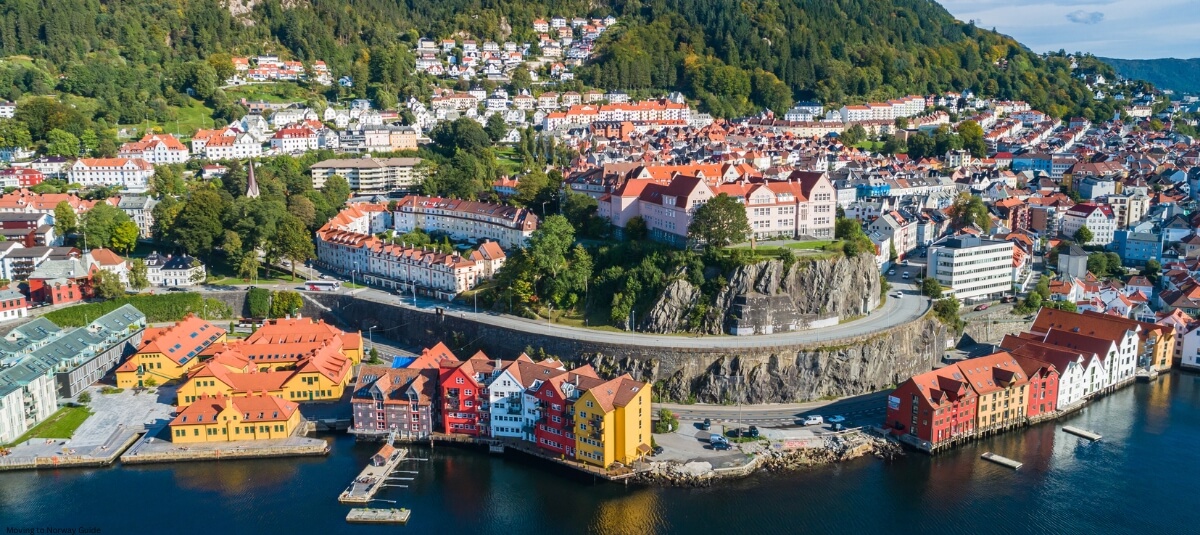
Why move to Norway?
Moving to Norway from the UK in 2026 is an exciting adventure filled with opportunities, but it’s also a journey that requires careful planning and understanding of the differences between the two countries. From navigating the Norwegian job market to integrating into a new culture and understanding the legal requirements, this guide will walk you through everything you need to know to ensure a smooth transition.
Whether you’re moving for work, starting a business, or simply seeking a better quality of life, this comprehensive guide covers all the essential aspects of relocating to Norway. Let’s explore how you can make your move as seamless and stress-free as possible.
Legal requirements and documentation for moving to Norway
Moving to Norway from the UK has become more complex due to changes following Brexit. It’s crucial to understand the legal requirements and ensure you have all the necessary documentation before making the move. Here’s what you need to know:
Residency requirements post-Brexit
As of 2026, UK citizens continue to require residence permits to live or work in Norway for more than 90 days. Short stays of up to 90 days within a 180-day period remain visa-free for tourism or business. However, long-term stays require a residence permit under categories such as Skilled Worker, Family Immigration, or a study permit.
UDI waiting times change regularly and are counted from the date you hand in your documents, not from online registration. Work permits are usually the quickest, while family immigration and study permits can take many months, so check UDI’s waiting-time guide before you apply.
Types of residence permits
- Skilled worker permit: The most common route if you have a job offer. You normally need relevant higher education or vocational training, a concrete job offer, and pay that meets UDI’s threshold: at least NOK 545,400 a year before tax (about £42,800) for roles requiring a bachelor’s degree, or NOK 624,700 (about £49,000) for roles requiring a master’s.
- Family immigration permit: If you have close family members who are Norwegian citizens or residents, you may apply for a family immigration permit to live with them in Norway.
- Study permit: Needed for studies lasting more than three months. It lets you stay for the duration of your course and may permit limited work hours.
Application process
You register your application and pay the fee online through UDI, then hand in your documents in person at a VFS Global centre in the UK. UDI gives you a checklist tailored to your permit, so follow that rather than a generic list. Book your appointment early, as demand is high in peak months (March–July). The process cannot be completed by post or directly at the embassy.
For a skilled worker permit, the checklist typically includes:
- Your passport.
- The signed cover letter from your online application.
- Your job offer or employment contract.
- Proof of your higher education or vocational qualifications.
- Evidence that the role requires those qualifications.
Important considerations
- After you arrive: Book a police appointment to get your residence card, and report your move to the Norwegian Tax Administration if you are staying six months or more. You then receive a Norwegian identity number, which you need for work, banking and most public services.
- Tax card: Apply for a tax deduction card as soon as you have a job. Without one, your employer may deduct 50% tax.
- Brexit adjustments: The process has been adapted to reflect the UK’s non-EU/EEA status, which involves more stringent requirements than before Brexit.
For the most accurate and up-to-date information, always refer to the official Norwegian Directorate of Immigration (UDI) website or consult with the Norwegian embassy.
Cost of living in Norway
The cost of living in Norway remains among the highest in Europe, but strong wages and a high standard of living continue to offset expenses. Unless another source is given, the figures below are indicative Oslo prices from Numbeo (September 2026), converted at Norges Bank’s rate of £1 = NOK 12.74.
Here’s a detailed look at what you can expect:
Housing costs
- Renting: Housing is one of the most significant expenses in Norway. In Oslo, a one-bedroom apartment costs around NOK 19,400 (about £1,530) a month in the city centre and around NOK 15,000 (about £1,180) outside it.
- Buying property: If you’re considering purchasing a home, be prepared for high property prices, especially in Oslo, where prices average around NOK 112,000 (about £8,800) per square metre in the centre and NOK 65,000 (about £5,100) outside it. Suburban and rural areas tend to be more affordable but command higher prices than many UK regions.
- Utilities: Monthly utility costs, including electricity, heating, water, and rubbish collection, average around NOK 4,000 (about £310) for an 85-square-metre apartment.
Food and groceries
- Grocery shopping: Norway’s grocery prices are considerably higher than those in the UK. For example, a litre of milk costs around NOK 24 (£1.89), and a loaf of bread around NOK 36 (£2.84). Fresh produce and meat are also noticeably dearer than in the UK.
- Eating out: Dining out is an experience, but it comes at a price. A meal for two at a mid-range restaurant in Oslo costs around NOK 1,200 (about £94), while a simple meal at McDonald’s costs around NOK 150 (about £12).
Transportation
- Public transport: Norway boasts an efficient public transportation system, especially in cities like Oslo. From 3 May 2026, an adult 30-day ticket for Oslo (Zone 1) costs NOK 655 (about £51), making it an affordable option compared to owning a car. A single ticket costs NOK 46 (about £3.60) bought in advance, and more from the driver.
- Driving: For those who prefer driving, petrol costs around NOK 21.60 (about £1.70) per litre in Oslo. City-centre parking is expensive and varies by operator and location.
Healthcare costs
- Public healthcare: Norway’s healthcare system is largely public and offers excellent services at a relatively low cost. You are normally covered once you are a member of the National Insurance Scheme, which applies if you plan to live in Norway for at least 12 months. In 2026, a daytime GP consultation costs NOK 179 (about £14), and once you have paid NOK 3,278 (about £257) in approved user fees in a year you receive an exemption card and pay nothing more for those services that year.
- Private Insurance: While public healthcare covers most needs, some opt for private insurance, particularly for dental care, which is not fully covered by the public system. Costs for private insurance vary based on the coverage level and personal factors.
Education costs
- Public education: State schooling is free for residents. University is different: most UK citizens count as non-EU/EEA students and normally pay tuition fees at public universities, broadly NOK 130,000 to 390,000 a year (about £10,200 to £30,600) depending on the university and course. International schools charge their own fees, which vary by institution.
- Preschool/Kindergarten: Kindergarten (barnehage) is subsidised. The national maximum fee for a full-time place is NOK 1,200 (about £94) a month in 2026, or NOK 700 (about £55) in the least central municipalities, usually charged for 11 months a year. Food is charged on top.
Understanding these costs will help you plan your budget effectively, ensuring a smooth transition into your new life in Norway.
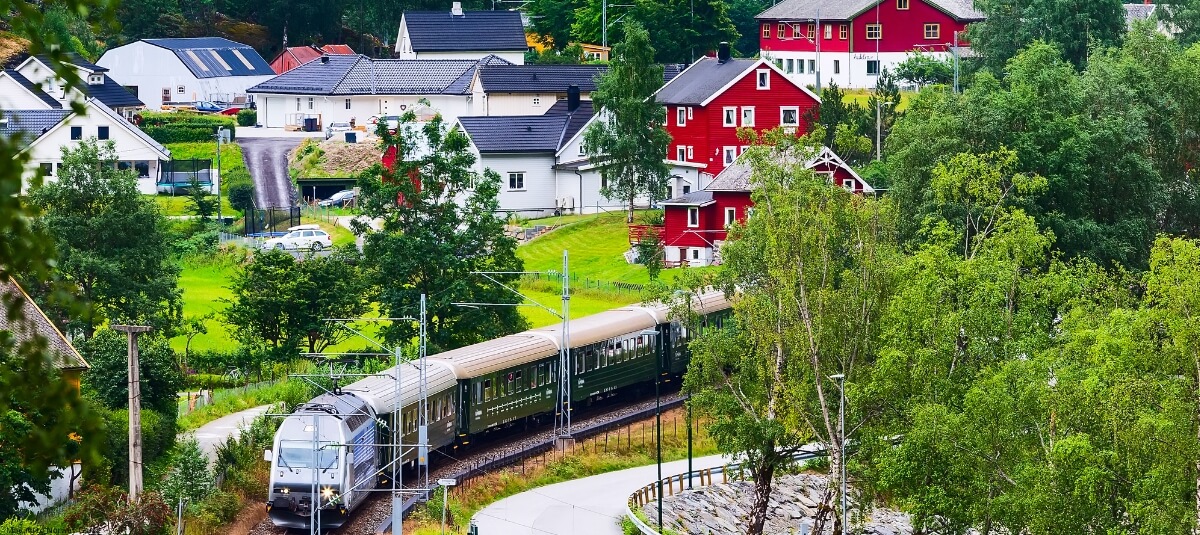
Best places to live in Norway
Choosing the right place to live is a key part of planning your move to Norway in 2026. The country offers a remarkable variety of living environments, from vibrant cities filled with opportunity to tranquil coastal and rural communities known for their natural beauty and sense of calm.
Whether you’re moving to Norway from the UK for work, study, or retirement, there’s a perfect location to match your lifestyle and priorities. Here’s our 2026 guide to some of the best places to live in Norway.
Oslo
- Why Oslo? As the capital city, Oslo is a vibrant hub of culture, business, and innovation. It’s home to Norway’s most diverse population and offers a wide range of amenities, including excellent schools, healthcare, and public transport.
- Cost of living: While Oslo has the highest cost of living in Norway, it’s also where many of the country’s best job opportunities are concentrated, particularly in sectors like tech, finance, and government.
- Lifestyle: Oslo offers a balanced lifestyle with easy access to nature. Residents can enjoy the city’s parks, museums, restaurants, and outdoor activities like hiking and skiing, which are just a short distance away.
Bergen
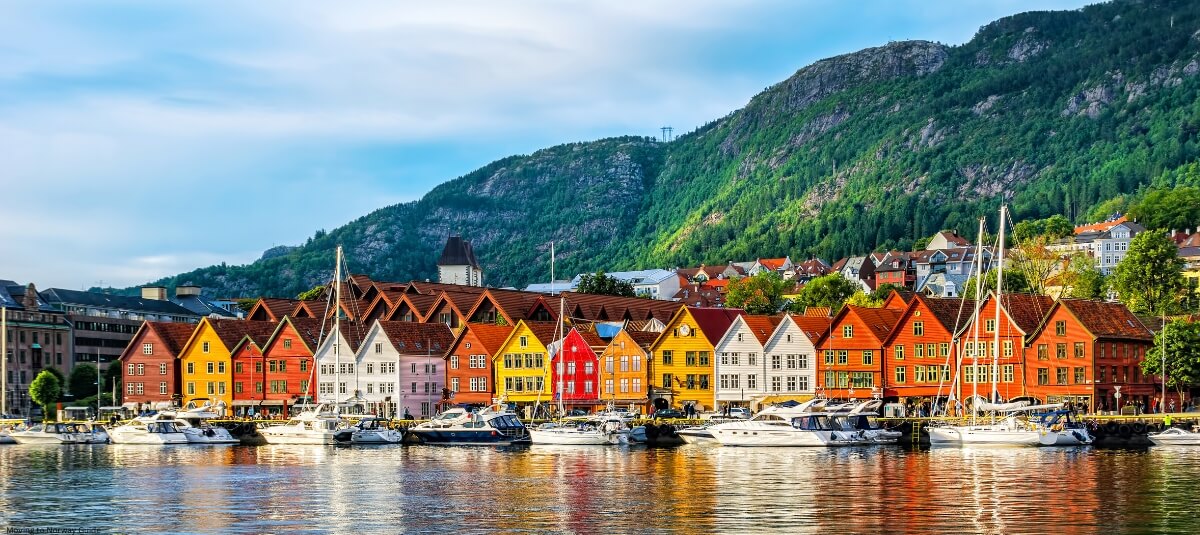
- Why Bergen? Known as the “Gateway to the Fjords,” Bergen is perfect for those who appreciate natural beauty and a slower pace of life. It is home to Bryggen, a UNESCO World Heritage Site, and has a rich history and a strong cultural scene.
- Cost of living: Bergen’s cost of living is slightly lower than Oslo’s, but housing prices can still be high, particularly in desirable areas close to the city centre or with fjord views.
- Lifestyle: The city’s coastal location means it’s often rainy, but the surrounding mountains and fjords offer stunning scenery and outdoor activities year-round. Bergen is also a significant centre for the shipping and oil industries, providing ample job opportunities.
Trondheim
- Why Trondheim? As Norway’s third-largest city, Trondheim is known for its strong tech industry and vibrant student population. It’s an excellent choice for those working in technology, research, or academia.
- Cost of living: Trondheim’s cost of living is comparable to Bergen’s, with slightly more affordable housing options, especially in the suburbs.
- Lifestyle: Trondheim has a rich cultural history, with landmarks like the Nidaros Cathedral. The city offers a good balance between urban life and access to nature, with numerous parks, hiking trails, and ski resorts nearby.
Stavanger
- Why Stavanger? Stavanger is the heart of Norway’s oil industry and has been transitioning towards more diverse sectors, including green technology. It’s an ideal location for professionals in these industries.
- Cost of living: Stavanger’s living cost is on par with other major Norwegian cities, but housing can be more affordable in suburban areas.
- Lifestyle: The city is known for its charming old town with wooden houses and a strong sense of community. Stavanger’s coastal location also means there are plenty of beaches and opportunities for water sports.
Family-friendly areas
- Bærum (near Oslo): Bærum is one of the most sought-after suburbs for families, known for its excellent schools, safe environment, and close proximity to Oslo. It offers a mix of urban convenience and suburban tranquillity.
- Asker (near Oslo): Another popular choice for families, Asker provides a peaceful setting with good schools, plenty of outdoor activities, and easy access to Oslo by train.
- Os (near Bergen): South of Bergen, Os is a growing town with a family-friendly atmosphere, good schools, and beautiful natural surroundings. It’s ideal for those who want to be close to Bergen but prefer a quieter lifestyle.
- Melhus (near Trondheim): Located just south of Trondheim, Melhus offers a rural setting with a strong community feel. It’s a great option for families looking for more space and a slower pace of life.
Emerging tech hubs
- Trondheim: Already established as a major tech hub, Trondheim has a large cluster of technology companies and strong ties to the Norwegian University of Science and Technology (NTNU).
- Stavanger: As Stavanger diversifies from its oil-based economy, it’s becoming a key player in green technology and sustainability, making it an attractive option for professionals in these fields.
- Drammen: Located near Oslo, Drammen is emerging as a growing tech and industrial hub, benefiting from its proximity to the capital and excellent transport links.
When choosing where to live in Norway, consider factors such as proximity to work, the cost of living, and the lifestyle that best suits you and your family. Each location offers something unique, ensuring you’ll find the perfect place to call home.

Cultural differences and integration: Adapting to life in Norway
As of 2026, Norway ranked sixth in the 2026 World Happiness Report and remains one of the world’s most socially cohesive countries. Expats still highlight how inclusive, safe, and community-minded daily life feels. At the same time, many newcomers note that integrating fully can take time – especially when it comes to building friendships and understanding local customs. Knowing what to expect culturally makes settling in far smoother.
Moving to Norway isn’t just about adapting to a new location; it’s also about understanding and integrating into a different culture. Norway has a unique social fabric shaped by its values, traditions, and social norms. Here’s what you need to know to smoothly transition into Norwegian life:
Norwegian values: The concept of Janteloven
One of Norway’s most enduring cultural concepts is Janteloven, or the Law of Jante – a social code that still shapes everyday life in 2026. This unwritten social code emphasises humility, equality, and community over individualism. It’s reflected in many aspects of Norwegian life:
- Modesty in self-presentation: Norwegians tend to downplay their achievements and avoid boasting. It’s common to be modest about one’s accomplishments, whether in professional or personal life.
- Equality in social interactions: There’s little emphasis on job titles or social status in everyday conversations. People generally address each other by first names, regardless of their position or age, reinforcing a sense of equality.
- Restraint in emotional expression: Norwegians often show restraint in their emotions, avoiding overt displays of enthusiasm or anger in public. Compliments are given sparingly and are modestly received.
Understanding and respecting these values will help you integrate more easily into Norwegian society and build strong relationships with locals.
Work-life balance
Norway is renowned for its excellent work-life balance, which is significantly different from what many expats might be used to in the UK:
- Working hours: A 37.5-hour week is common in contracts and collective agreements; the legal limit is nine hours a day and 40 hours a week. Overtime is only allowed for an exceptional, time-limited need and must be paid with a supplement of at least 40%. Time off in lieu can be agreed in writing, but the supplement is still paid.
- Family time: There is a strong emphasis on family and personal time. It’s perfectly acceptable, and even encouraged, to leave work early for family commitments or to enjoy leisure activities.
- Holiday: The legal minimum is 25 working days with Saturdays counted, which works out at four weeks and one day. Five weeks is common under contracts and collective agreements, and it’s culturally expected that employees fully disconnect from work during holidays.
Communication style
Norwegians are known for being straightforward yet polite communicators. That hasn’t changed in 2026 – though digital work culture has made communication even more concise and less formal. The Norwegian communication style is generally direct but also understated:
- Indirect criticism: Norwegians often deliver criticism in a soft, indirect manner to avoid confrontation. You might need to read between the lines during discussions to fully understand the feedback being given.
- Consensus building: Decision-making in Norway, especially in workplaces, is often a collective process. Meetings involve discussions where everyone’s input is valued, and decisions are typically reached by consensus rather than directive.
Social etiquette
Social norms in Norway remain rooted in respect, equality, and personal space – but in 2026, there’s also a growing openness thanks to an increasingly international workforce and expat communities across major cities.
- Respect for privacy: Norwegians place a high value on privacy. It’s considered impolite to ask about personal matters such as income, relationship status, or other private details unless the person shares them voluntarily.
- Reserved nature: Norwegians are friendly but can appear reserved at first, especially in public or professional settings. Conversations tend to be calm and straightforward rather than overly expressive. However, in 2026, more social and professional interactions happen in international or hybrid work settings, so locals are generally more open and comfortable engaging with newcomers than in the past.
- Punctuality: Being on time is crucial in Norway. Whether for a business meeting or a social event, punctuality is seen as a sign of respect and reliability. Arriving even a few minutes late without notice is considered discourteous.
Integration tips
- Learn the language: While many Norwegians speak excellent English, learning Norwegian will significantly enhance your integration and allow you to participate fully in local life.
- Join local activities: Engage in local activities, such as outdoor sports, community events, or cultural festivals. This helps you integrate and provides opportunities to meet new people and build connections.
- Respect local customs: Understanding and respecting Norwegian customs and traditions, such as celebrating Constitution Day on May 17th, will help you feel more connected to your new community.
Adjusting to life in Norway involves understanding and assuming these cultural differences. By doing so, you’ll find it easier to integrate and enjoy Norway’s unique and rewarding lifestyle.
In 2026, Norway continues to welcome a growing international community – from skilled professionals to remote workers – making it easier than ever for newcomers to find their place, build connections, and thrive in everyday Norwegian life.
Employment and business opportunities in Norway
Norway’s economy is diverse and robust, offering a range of opportunities for professionals and entrepreneurs alike. Whether you’re looking to join the workforce or start your own business, understanding the landscape is key to making informed decisions.
Job market overview
Norway’s job market is competitive but highly rewarding, particularly for those with skills in in-demand sectors:
In-demand sectors
- IT and technology: Norway is experiencing a significant demand for IT professionals, including software engineers, AI experts, and cybersecurity specialists. Key areas include cloud computing, data analytics, and software development.
- Healthcare: With a growing elderly population, there is a high demand for healthcare workers, particularly nurses and caregivers, especially in nursing homes. This sector also needs teachers and teaching assistants, though proficiency in Norwegian is often required.
- Engineering: Engineers, particularly in civil and mechanical fields, are sought after.
- Green economy: As Norway shifts towards renewable energy, there are increasing opportunities in green sectors. Job roles include wind energy engineers, solar panel technicians, and environmental scientists.
Job hunting tips
- Utilise job platforms: Platforms like Finn.no and NAV (the Norwegian Labour and Welfare Administration) are essential tools for finding job openings. Additionally, LinkedIn is widely used for professional networking in Norway.
- Networking: Networking is crucial in Norway’s job market. The startup community, in particular, is known for its strong networking culture, which can be vital for securing job opportunities.
Starting a business
For those looking to start a business, Norway offers a supportive and innovation-driven environment:
Legal framework
- Business registration: Businesses must be registered with the Register of Business Enterprises, with requirements depending on the business structure. A limited company (AS) needs a minimum share capital of NOK 30,000 (about £2,350). Founders without a Norwegian identity number may need a D-number, depending on their role. Registering a company does not by itself give you the right to live in Norway: you still need the right residence permit.
- Business structure options: You can choose from various business structures, such as a sole proprietorship, partnership, or limited company. It’s important to select the structure that best fits your business needs.
Financial support
- Grants and loans: Innovation Norway offers grants and loans, particularly for tech and green energy startups. Amounts and eligibility depend on the scheme, so check what applies to your business.
- Support programmes: Incubators, accelerators and investor networks operate in the main cities, offering funding contacts and networking support.
Key industries
- Energy and maritime: Norway’s economy is heavily influenced by its energy and maritime sectors, with opportunities in both traditional oil and gas and the growing renewable energy market.
- Technology and professional services: Sectors like Fintech, Cleantech, and Medtech are expanding rapidly, offering opportunities for innovative startups. Additionally, there is a demand for professional services in the finance, ICT, and legal sectors.
Business risks and challenges
- High costs: Norway is known for its high cost of living and doing business. Entrepreneurs should be prepared for this reality when planning their operations.
- Language barriers: While English is widely spoken, learning Norwegian can be crucial for successful business operations, particularly when dealing with regulatory and legal matters.
Norway’s commitment to fostering a green economy and supporting innovation creates a vibrant landscape for both employment and entrepreneurship. You can thrive in this dynamic environment with the right preparation and understanding of the market.
Moving household goods from the UK to Norway
Norway is outside the EU customs union, so your belongings are declared to Norwegian Customs on arrival. Household goods can be imported free of customs duty and VAT if:
- you have lived abroad continuously for at least one year;
- you have owned and used the items while abroad and will keep using them in Norway;
- they are imported as part of your move, no later than one year after it.
You declare them on form RD0030 (see Norwegian Customs’ household goods guidance). Vehicles, alcohol, tobacco, food and work equipment are not covered by the relief, and a car has its own customs, approval and registration process. A complete inventory makes clearance quicker.

Conclusion: Making the move to Norway
Relocating to Norway from the UK offers a unique chance to experience one of the most beautiful and well-functioning countries in the world. With its strong economy, excellent work-life balance, and stunning natural landscapes, Norway provides an environment where both individuals and families can thrive. By understanding the local culture, navigating the job market, and preparing for the practicalities of your move, you’ll be well on your way to making the most of your new life in Norway.
Embrace the Norwegian lifestyle, from its deep respect for nature to its commitment to equality, and you’ll find that Norway truly is a place where you can live, work, and enjoy life to the fullest.
If you’re ready to take the next step in your journey to Norway, Total Moving Solutions is here to help. Contact us today for expert advice and a personalised moving plan tailored to your needs.

Reviewed by
James Mallett
Director, Total Moving Solutions
I’ve spent around 20 years in the removals industry, helping individuals and families move home and begin new chapters, both across the UK and overseas.
Today, I run Total Moving Solutions, a small, family-run business helping around 80 to 100 customers relocate each month. We arrange UK, European and international removals.
Over the years, I’ve learned that every move is different. Behind every shipment is a person or family with their own plans, priorities and concerns. For me, understanding those needs and offering a personal, supportive service is just as important as the practical arrangements.
I’m proud that Total Moving Solutions is accredited by Move Assured and has received many five-star reviews on Google, Trustpilot and Removal Reviews. That feedback means a great deal to us as a family business, and we work hard to give every customer the care and attention we would want for our own move.